 Ultimate guide
Certified Watch Appraisal Services Australia: Your 2026 Guide
Table of Contents
- Why a Certified Watch Appraisal Matters
- Watch Insurance Valuation Requirements: What Insurers Expect
- Market Value vs Replacement Value for Watches
- How to Verify a Watch Appraiser's Credentials
- The Certified Watch Appraisal Process in Australia
- What to Prepare Before Your Watch Appraisal
- Conclusion: Protect Your Luxury Timepiece
- Frequently Asked Questions
Last Updated: September 7, 2026
Why a Certified Watch Appraisal Matters
Owning a luxury timepiece is one thing; understanding what it is actually worth is another. A certified watch appraisal services Australia provides is a formal, documented opinion of value prepared by a qualified professional, and it is the only reliable way to know what your watch is worth for insurance, estate planning, or sale. Without one, you are guessing at the value of a significant asset. At Gemmological Valuations of Australia, our senior appraiser brings over 50 years of industry experience to every inspection.
A professional appraisal does more than assign a number. It verifies authenticity, documents condition, and establishes provenance, all of which directly influence value. This is especially true for vintage pieces, where a documented history can mean the difference between a modest figure and a substantial one.
Watch Insurance Valuation Requirements: What Insurers Expect
A formal valuation certificate is the cornerstone of insuring a high-value watch, but not all certificates are created equal. Australian insurers have specific, often unstated, requirements for the document they will accept as proof of value.
What a Compliant Valuation Certificate Must Contain
To be accepted by an insurer, a valuation certificate must be a comprehensive, defensible document that allows a claims assessor to verify the item and the figure. A compliant report typically includes:
- Full Identification: Brand, model name, model/reference number, and the unique serial number.
- Movement Details: The caliber number and type (e.g., automatic, mechanical, quartz).
- Condition Report: A precise, written assessment of the watch's physical state, noting any scratches, dents, or signs of previous polishing.
- Provenance: A record of any original box, papers, and service history that accompanies the piece.
- A Clear Statement of Value: The report must explicitly state the replacement value in Australian dollars (AUD). This is the figure your premium is based on and the amount the insurer will use as a benchmark for a payout.
- Appraiser's Credentials: The signature, date, and professional qualifications of the valuer, including their membership in a recognised industry body like the National Council of Jewellery Valuers (NCJV).
The Critical Role of the 'Effective Date'
The 'effective date' is the date on which the appraiser's assessment of value is considered accurate. Most Australian insurers will only accept a valuation that is relatively current, commonly within the last two to three years (insurancecouncil.com.au). For pieces in a volatile market, an insurer may require an update every 12 months. An outdated valuation is a primary reason claims are disputed, as the insurer will argue the documented value no longer reflects the current market.
What Happens When You Make a Claim?
When you lodge a claim for a lost, stolen, or damaged watch, the insurer's process will involve a few key steps:
- Verification: The assessor will first verify that the watch described in your claim matches the details on your valuation certificate. Any discrepancy in the serial number or model can invalidate the claim.
- Assessment: The assessor will use the replacement value on your certificate as the starting point for their calculation. They will not typically research the market themselves; they rely on the professional opinion of your certified appraiser.
- Settlement: The payout is then determined based on the terms of your policy. If you are underinsured (your valuation is lower than the actual replacement cost), you may face 'average' being applied, where the insurer only pays a proportion of the loss.
How to Align Your Valuation with Your Policy
The most effective way to ensure your valuation meets your insurer's needs is to ask them directly. Before commissioning an appraisal, contact your provider and ask:
- "What is the maximum age of a valuation certificate you will accept?"
- "Do you have a specific format or set of details you require on the certificate?"
- "Is a valuation from any certified appraiser acceptable, or do you have a list of approved providers?"
Getting these answers in writing will ensure the appraisal you commission is fit for purpose and will hold up when you need it most.
Market Value vs Replacement Value for Watches
The single most common point of confusion is the difference between market value and replacement value, and getting it wrong can leave you significantly underinsured. Market value is what a willing buyer would pay a willing seller for your watch today. Replacement value, which is what insurance valuations focus on, is the cost of replacing your watch with an equivalent piece at current retail prices (irmi.com).
For many luxury timepieces, these figures differ substantially. A watch may have a market value of several thousand dollars, yet cost far more to replace new through an authorised dealer. When you arrange watch appraisal services for insurance purposes, the report must state the replacement value clearly so your coverage matches what it would actually cost to rebuild your collection.
| Value Type | What It Measures | Used For |
|---|---|---|
| Market value | What a buyer would pay today | Sale, estate division |
| Replacement value | Cost to replace at current retail | Insurance coverage |
| Fair market value | Price between informed, unrelated parties | Legal and tax matters |
How to Verify a Watch Appraiser's Credentials
Not everyone who offers a valuation is qualified to provide one. A certified appraiser should hold recognised industry memberships, have verifiable experience, and be able to demonstrate a track record with the kind of watch you own. Look for membership in professional bodies that hold their members to a documented code of practice, such as the National Council of Jewellery Valuers.
Ask direct questions before committing. How long has the appraiser worked with luxury timepieces? Do they have specialist knowledge of your watch's brand? A common mistake is assuming that a jewellery retailer who sells watches can automatically provide an independent, certified valuation. Independent valuers, who do not have a financial interest in buying your piece, are better positioned to give an objective figure.
The Certified Watch Appraisal Process in Australia
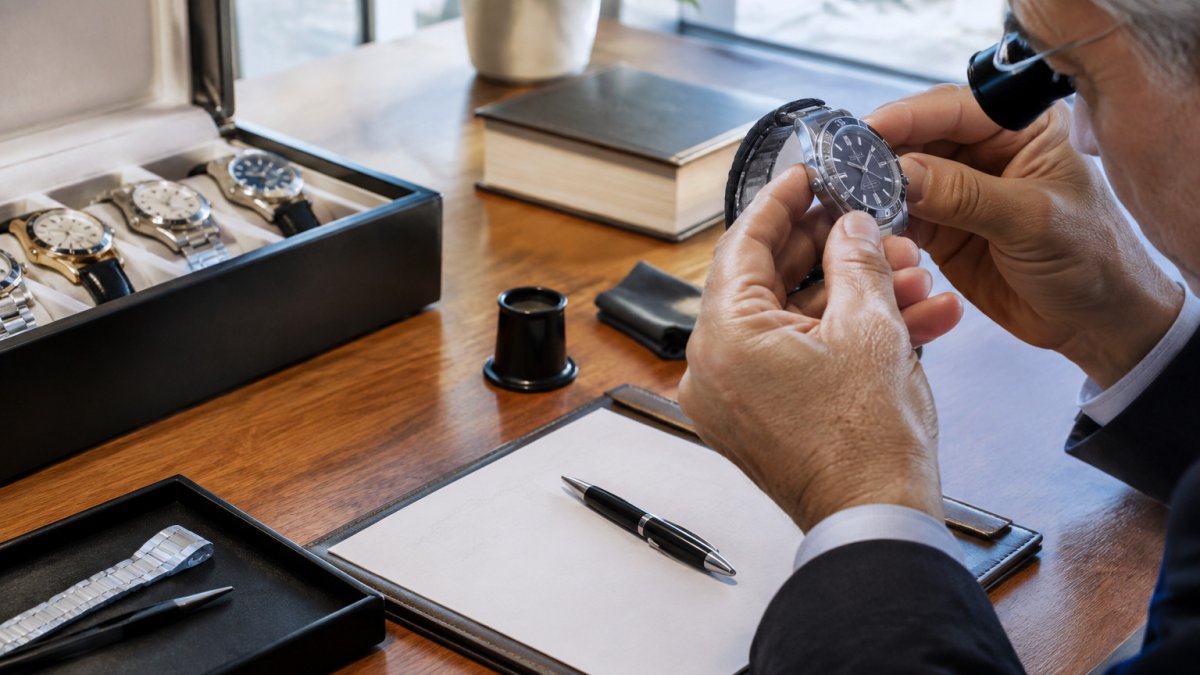
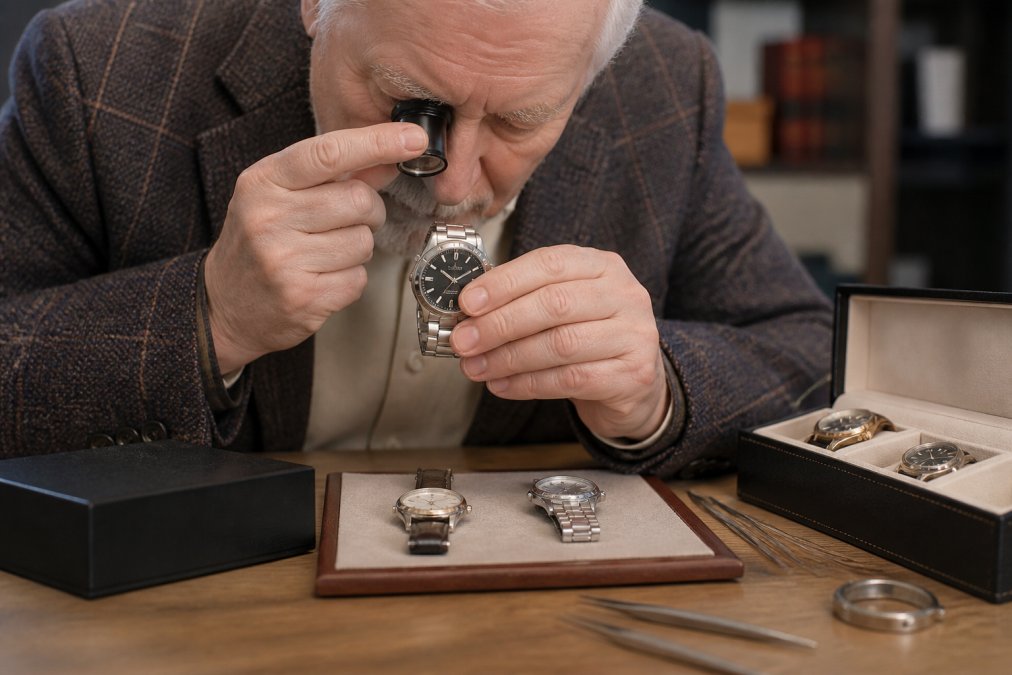
A certified watch appraisal follows a structured process designed to leave no detail unexamined. The appraiser begins with authentication, verifying the watch's movement, case, dial, and hallmarks to confirm it is genuine, before moving to a detailed condition report (isa-appraisers.org). Every scratch, replacement part, and sign of wear is documented because each one affects value.
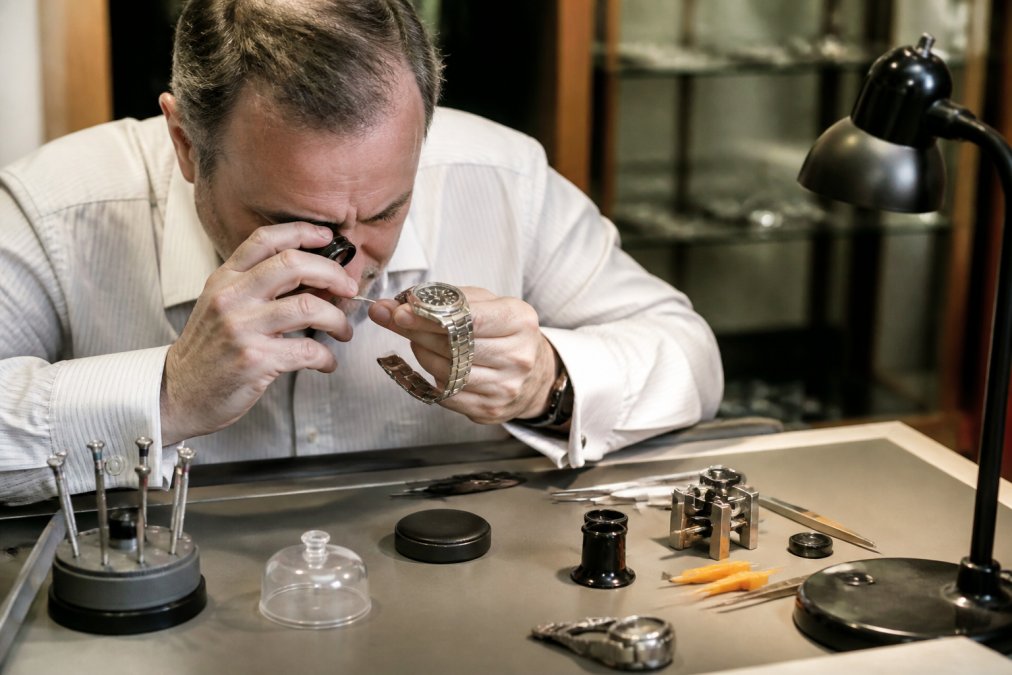
The inspection covers the key elements that determine worth: the movement and caliber, the case and bezel condition, the dial's originality, and the bracelet or strap. The appraiser will also record the reference number and serial number and note whether the original box and papers are present, as provenance significantly enhances value. Once the physical inspection is complete, the appraiser researches current market data, comparing your watch against recent sales and asking prices for equivalent pieces.
The final step is the written report itself. A formal valuation certificate sets out the appraiser's findings, the basis of the valuation, and the figure assigned, along with photographs and a full description. The entire process is designed to produce a document that will stand up to scrutiny from insurers, lawyers, and buyers alike.
What to Prepare Before Your Watch Appraisal
Not every watch needs a formal, certified valuation. A professional appraisal is an investment, so a simple pre-appraisal checklist can save you time and money by helping you identify whether your timepiece is likely to benefit from one.
The DIY Pre-Appraisal Checklist
Work through this list to gauge whether your watch is a candidate for a formal valuation:
- Is it a recognised luxury brand? Watches from brands like Rolex, Omega, Patek Philippe, Audemars Piguet, Cartier, and Breitling typically hold significant value. If your watch is from a high-street fashion brand, a formal appraisal is unlikely to be cost-effective.
- Does it have a metal case? Precious metal cases (gold, platinum) or high-grade stainless steel from a luxury manufacturer are indicators of value. Plated or base-metal cases rarely justify a full appraisal.
- Is it in working order? A watch that runs and keeps time is worth more than a non-functional one. While a broken watch can still be valued, the cost of repair may outweigh its potential worth.
- Do you have original documentation? The original box, papers, and receipt significantly enhance provenance and value. If you have these, the watch is a stronger candidate for appraisal.
- Is there a known market for it? If you are unsure of the brand or model, a quick online search for the brand name and reference number can give you a preliminary indication of whether similar pieces are being bought and sold.
If you answered 'no' to most of these, a verbal opinion from a qualified valuer may be a more appropriate and cost-effective first step than a full written certificate.
The Difference Between a Verbal Opinion and a Written Valuation
A verbal opinion is an informal, often free, indication of a watch's approximate value range. It is useful for a quick sanity check but has no legal standing. It cannot be used for insurance, legal disputes, or estate planning.
A written, certified valuation is a formal legal document, signed, dated, and supported by the appraiser's credentials and professional indemnity insurance. This is the only format that an insurer, a court, or the Australian Taxation Office will accept as evidence of value. Confirm in writing that you are receiving a formal written report, not just a verbal estimate.
Preparing Your Documentation and the Watch Itself
If your watch passes the initial checklist, thorough preparation will make the appraisal process more efficient and accurate.
- Gather All Paperwork: Collect the original purchase receipt, the manufacturer's warranty card, any service records, and the original box. While a lack of paperwork does not prevent a valuation, its presence adds to the provenance and can positively influence the final figure.
- Record the Reference and Serial Numbers: These are typically found on the case back or between the lugs where the bracelet meets the case. Noting them down beforehand can help speed up the identification process.
- Do Not Clean or Polish: Resist the urge to polish or restore the watch. A professional appraiser needs to see the original finish to assess condition accurately. Over-polishing can significantly reduce a watch's value to a collector.
- Note the Service History: A documented service history from an authorised service centre is a strong positive indicator of a well-maintained piece. Make a note of any parts that have been replaced.
How Often Should You Re-Appraise?
The value of luxury watches is not static. Market trends, new model releases, and condition can all cause value to fluctuate. As a general rule, re-appraise your watch every two to three years to ensure your insurance coverage remains accurate. For highly collectible pieces, an annual review may be prudent. Significant changes, such as a full service or bracelet replacement, are also triggers for a re-appraisal.
Conclusion: Protect Your Luxury Timepiece
A certified watch appraisal is a necessity for anyone who owns a timepiece of significant value. Whether you need an insurance valuation, are settling an estate, or simply want peace of mind, a formal appraisal from a qualified professional protects your investment. The difference between a verbal estimate and a written, certified valuation report is the difference between a guess and a document that will hold up when it matters.
At Gemmological Valuations of Australia, we combine deep expertise with careful handling of every piece, delivering precise and well-documented reports for jewellery and watches. Our senior appraiser, with over 50 years of experience and as a founding member of the National Council of Jewellery Valuers, provides the authority and accuracy your assets deserve. Contact us to arrange your appraisal and discover the true value of your treasured timepiece.
Frequently Asked Questions
How often should I have my luxury watch re-appraised?
Market prices for luxury timepieces can shift quickly. For insurance purposes, re-appraise your watch every 2 to 3 years, or sooner if the market has moved significantly. If you add or remove links, have the watch serviced, or acquire paperwork that confirms provenance, a fresh valuation is wise. Your insurer may also request an updated valuation when you renew your policy. A current certificate of valuation protects you from being underinsured if your watch is lost, stolen, or damaged.
What is the difference between a watch appraisal and a valuation?
The terms are often used interchangeably, but the distinction matters. A valuation determines a specific value, such as market value or replacement value, for a stated purpose. An appraisal is the broader process of examining the watch, authenticating it, and producing a documented report that includes the valuation. A certified watch appraisal service in Australia provides a formal appraisal report, which includes the valuation certificate and supporting details your insurer or solicitor requires.
What qualifications should I look for in a professional watch appraiser?
Look for formal industry recognition and verifiable experience. In Australia, membership in the National Council of Jewellery Valuers (NCJV) signals adherence to professional standards. Ask about the appraiser's years of experience, whether they hold gemmological qualifications, and whether they have specific expertise in horology. A certified appraiser should be able to provide references and demonstrate a track record of producing reports accepted by insurers and courts. Independent certification matters more than a retailer's opinion.
What documents should I receive with a professional watch appraisal?
A formal appraisal report should include a detailed description of your watch, including the brand, model, reference number, and serial number. It should document the watch movement, caliber, dial condition, case and bracelet condition, and note any restoration work. You should receive a clear statement of the valuation purpose, the value type (such as market value or replacement value), and the appraiser's credentials and signature. Original box and papers strengthen the report but are not mandatory.