 How-to
What Affects Jewellery Valuation Accuracy in Australia
Last Updated: November 20, 2026
Quick Summary
Jewellery valuation accuracy depends mainly on the value basis the valuer is asked to use, the metal type, purity and weight, the gemstone identification and grading, and the condition and documentation of the piece. A valuation is only as reliable as the assumptions behind it, so check that the report states its basis and price date.
- Confirm the report names the metal, states its purity, records its weight and gives the date of the price used.
- Gemstone grading is a judgement, so note whether a stone is certified and how its grade was reached.
- Insurance replacement value is usually higher than resale value because it includes retail margin.
- Two figures in one report may be different value bases rather than an error, so check before concluding either is wrong.
- Review your valuation when you renew insurance, add or repair a piece, or when metal or gemstone prices shift sharply.
Table of Contents
- Why Two Valuations of the Same Ring Can Differ
- Metal Type, Purity and Weight
- Gemstone Identification and Grading
- Design, Craftsmanship and Maker
- Condition, Wear and Documented Damage
- Jewellery Valuation Versus Resale Value
- Documents to Provide and When to Update a Valuation
- Frequently Asked Questions
Why Two Valuations of the Same Ring Can Differ
Two registered valuers can look at the same ring and return different figures. That gap is common, and it is not always a sign that one of them made a mistake. Jewellery valuation accuracy depends on the purpose the valuation serves, the value basis chosen, the market data used and the assumptions made along the way.
Knowing these factors helps you read a valuation report with more confidence. It also helps you spot when a figure needs a second look. This guide explains the main influences on accuracy in plain terms.
Metal Type, Purity and Weight
The metal is usually the starting point. Gold, platinum, silver and palladium each carry a different market price, and the purity of the metal changes the figure further.
Key points to check in a valuation report:
- Metal type: confirm the report names the metal and does not simply say "precious metal."
- Purity: look for a stated fineness, such as 750 for 18 carat gold, or a hallmark reference.
- Weight: a reliable report records the weight in grams and notes how it was measured.
- Price date: metal prices move daily, so the report should state the date of the price used.
A small error in weight or purity can change the metal value noticeably. Ask for these details to be written out clearly.
Gemstone Identification and Grading
Gemstones often account for much of a piece's value, and they are the hardest part to assess. The stone's identity, its quality and whether it has been treated all matter.
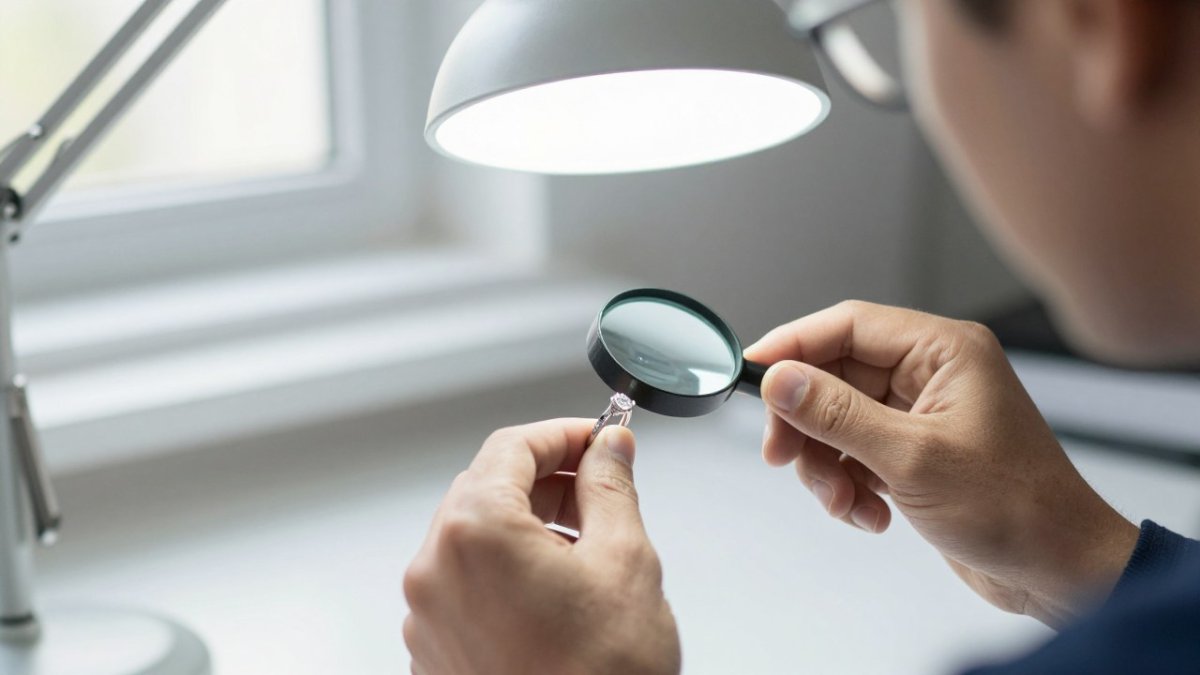
A careful valuer will typically assess:
- Identity: whether the stone is a diamond, sapphire, ruby, emerald or a synthetic or imitation.
- Quality factors: colour, clarity, cut and carat weight for diamonds, and colour and clarity for coloured stones.
- Treatments: heating, fracture filling or other enhancements, which can reduce value.
- Certification: whether a recognised laboratory report exists and what it covers.
Where a stone is not certified, the valuer should say so and explain how the grading was reached. Gemstone grading is a judgement, so two experts may grade a stone slightly differently.
Design, Craftsmanship and Maker
Two pieces with the same metal and stones can still be worth different amounts. Design, workmanship and the maker's name all play a part.
- Design: unusual or fashionable designs may add value to some buyers and none to others.
- Craftsmanship: fine settings, hand finishing and intricate work can raise value.
- Maker or brand: a recognised designer or house can add a premium, but only if the market for that name is strong.
A common mistake is assuming a famous name always adds value. The brand premium depends on current demand, so a valuer should explain how much weight they gave it.
Condition, Wear and Documented Damage
Condition affects value in two ways. Wear and damage reduce the item's appeal and may need repair. Past repairs can also matter, especially if they were poorly done.
Useful details to record include:
- Worn prongs, loose stones or thin shanks
- Scratches, dents or repolished surfaces
- Previous repairs, resizing or replacement stones
- Any photos or prior reports showing the item's earlier condition
Good documentation protects you in both directions. It supports a higher figure where the piece is in excellent condition, and it explains a lower one where damage exists.
Jewellery Valuation Versus Resale Value
A valuation is not the same as the price you will receive if you sell. Many people are surprised by this gap, and much of the confusion comes from mixing up the value basis. The basis is the definition of value the valuer is asked to report, and it changes the figure more than most people expect.
The main bases you are likely to encounter are:
- Insurance replacement value: what it would cost to replace the item with a similar piece of comparable quality from a retail supplier today. Insurers commonly use this figure, and it is usually the highest of the bases because it includes retail margin.
- Fair market value: the price a willing buyer would pay a willing seller, neither under pressure, both reasonably informed. This is the basis most often used for estate planning, probate and division of assets.
- Resale or secondary-market value: what a dealer or private buyer would actually pay. It is lower than replacement value because the buyer needs a margin to resell and may face holding costs and market risk.
- Probate value: the value declared for an estate. It is normally a fair market figure, but the date of valuation matters because it should reflect the market at the relevant date, not the date of the original purchase.
- Liquidation value: the figure achievable in a forced or time-limited sale. It is the lowest basis and is rarely appropriate for insurance.
A replacement figure will almost always be higher than a quick sale price. Using the wrong basis for your purpose is a frequent source of confusion, so confirm the basis with your valuer before you act on the number. Jewellery valuation accuracy depends on a clearly stated basis, and a report that does not state its value basis, or states it only vaguely, is difficult to rely on.
Watch out: a single report can legitimately contain more than one figure, such as replacement value for insurance and fair market value for estate purposes. If you see two numbers, check whether they are different bases rather than an error.
The table below sets out the main value bases a valuer may use, so you can see why the figures differ.
| Value basis | What it means | Typical use |
|---|---|---|
| Insurance replacement value | Cost to replace with comparable quality from a retail supplier today | Insurance cover |
| Fair market value | Price between a willing buyer and a willing seller | Estate planning, probate, asset division |
| Resale or secondary-market value | What a dealer or private buyer would actually pay | Selling the piece |
| Probate value | Value declared for an estate, reflecting the relevant date | Estate settlement |
| Liquidation value | Figure achievable in a forced or time-limited sale | Rarely appropriate for insurance |
Documents to Provide and When to Update a Valuation
Gather your paperwork before your appointment. This helps the valuer work accurately and quickly.
- Original purchase receipts or invoices
- Any existing valuation reports or insurance schedules
- Gemmological certificates for stones
- Photos of the piece, including any marks or hallmarks
- Records of repairs, resizing or replacement parts
Once you have the report, read it against the item rather than filing it away. A valuation is only as accurate as the assumptions behind it, and most reports state those assumptions. Check that the description matches the piece, that the weight and fineness are recorded, that gemstone grades are stated with the method used, and that the value basis and price date are clear. Where a stone sits in an inaccessible setting, where provenance is missing, or where a treatment cannot be ruled out, a careful valuer will say so and may give a range rather than a single figure. That range is not a weakness; it is an honest statement of uncertainty.
Update your valuation when your circumstances or the market change. Common triggers include:
- Renewing an insurance policy, or when your cover limits change
- Adding a new piece or a significant repair
- A major change in precious metal or gemstone prices
- Settling an estate or preparing for a sale or division of assets
- A change in the item itself, such as a reset, a replacement stone or a repair
Many insurers and valuers suggest reviewing insurance valuations periodically, and sooner if metal or gemstone prices have moved sharply. For estate and probate purposes, the valuation should reflect the market at the relevant date, so an older report may need refreshing.
If a figure looks out of step with what you expected, ask the valuer to explain the comparables and assumptions used. If the explanation does not hold, an independent second opinion is reasonable. Contact Gemmological Valuations of Australia to discuss an updated valuation for your collection.
Frequently Asked Questions
What factors affect the accuracy of a jewellery valuation?
The main factors are metal type and purity, metal weight, gemstone identity and grading, design and maker, and the condition of the piece. Each one changes the value basis a valuer applies. Market conditions at the valuation date also matter, because precious metal prices and resale demand move over time. A valuation that records each of these inputs clearly is easier to check and rely on than one that simply states a figure. Ask your valuer to show how each factor was assessed.
What documents should I provide for a jewellery valuation?
Bring any original receipts, previous valuation reports, certificates for gemstones, hallmarks or maker's marks you know of, and photographs of the piece. Earlier insurance schedules help show the value previously declared. If the item was inherited, a copy of the estate papers or a note of its provenance can also help. Documents do not replace inspection, but they give the valuer a verified starting point and reduce the chance of errors about identity or history.
Does the condition of jewellery affect its valuation?
Yes. Damage such as chipped stones, worn prongs, repairs, or metal thinning can reduce value, and a valuer should record these findings in the report. Wear that is typical for the age and use of the piece is treated differently from damage. Previous poor repairs can also lower value. Because condition can change, a valuation records the piece as it was inspected on that date.
Is an insurance replacement valuation the same as a resale value?
No. A replacement valuation estimates what it would cost to buy a comparable item new from a retailer, and is typically used for insurance. A resale or market value estimates what the piece might sell for, which is usually lower and depends on buyer demand and the sale channel. Always confirm with your valuer which value basis the report uses, since the figure you need depends on the purpose of the valuation.