 How-to
What Is a Professional Watch Appraisal and How It Works
Last Updated: November 21, 2026
Quick Summary
A professional watch appraisal is a written assessment of a watch's value, prepared by a qualified appraiser after a hands-on examination. The report records what the watch is, its condition, and its worth for a stated purpose such as insurance or estate records.
- Appraisal means the full process and report, while valuation is the monetary figure within it.
- Insurance value is the cost to replace a like-for-like watch, and it is usually higher than resale value.
- State the purpose of the appraisal when booking, because each purpose needs a different value definition.
- Bring the watch, original box and papers, service receipts, and proof of purchase to the appointment.
- Review an insurance appraisal every two to three years, or sooner after servicing or sharp market changes.
Table of Contents
- What a Professional Watch Appraisal Covers
- Watch Appraisal vs Valuation: Understanding the Difference
- Insurance Value and Resale Value Explained
- The Watch Appraisal Process, Step by Step
- What to Bring to a Watch Appraisal
- Using a Watch Appraisal for Insurance Cover
- Booking Your Watch Appraisal With Gemmological Valuations of Australia
- Frequently Asked Questions
What a Professional Watch Appraisal Covers
A professional watch appraisal is a written assessment of a watch's value, prepared by a qualified appraiser after a hands-on examination. A formal appraisal records what the watch is, what condition it is in, and what it is worth for a stated purpose.
Appraisal means the report and the process behind it. The appraiser identifies the maker, model and reference number, checks the movement and case, and records any original or replacement parts. The result is a document you can give to an insurer, an executor or a lawyer.
A typical appraisal covers:
- Identification of the brand, model and reference number
- Verification of serial numbers and any markings
- Assessment of condition, including case, dial, bracelet and crystal
- Notes on originality, service history and any repairs
- A stated value for a specific purpose, such as insurance or estate records
Watch Appraisal vs Valuation: Understanding the Difference
People often use "appraisal" and "valuation" as if they mean the same thing. In practice, a watch appraisal is the full professional process, while a valuation is the figure that comes out of it. The appraisal includes the inspection, research and written report. The valuation is the stated monetary value within that report.
Some quick guidance on the terms:
- Appraisal: the examination, research and formal report
- Valuation: the monetary value stated for a specific purpose
- Estimate: a rough figure, often without a full inspection
An online estimate can give you a starting point. It cannot replace a documented appraisal when an insurer or court asks for proof. If you need a document you can rely on, ask for a full appraisal report.
Insurance Value and Resale Value Explained
A watch can carry more than one value at the same time. The purpose of the appraisal decides which one applies.
Insurance value (often called replacement value) is the amount needed to buy a like-for-like watch from a reputable source today. Insurers usually want this figure, because it reflects what it would cost to replace the item.
Resale value is what a buyer might pay if you sold the watch privately or through a dealer or auction. It is usually lower than replacement value, since dealers need a margin.
Where your watch sits between these two figures depends on:
- Current market demand for that model
- Its condition and any original parts
- Its documentation, such as box and papers
- Recent comparable sales
We recommend asking the appraiser to state which value they have used and why. A report that does not say this leaves room for confusion later.
The Watch Appraisal Process, Step by Step
Most appraisals follow the same basic path, but the detail at each stage is what separates a report an insurer will accept from a figure scribbled on a receipt. Here is what usually happens, and what to expect at each point.

- Booking and purpose. You contact the appraiser and describe the watch and the reason for the appraisal. This matters more than most people realise: an appraisal for insurance replacement, for estate records, for a private sale and for family law each calls for a different value definition and a different report format. State the purpose up front so the appraiser can scope the work correctly.
- Intake and logging. The watch is received and logged so it can be identified later. Ask for a receipt or intake record at this point.
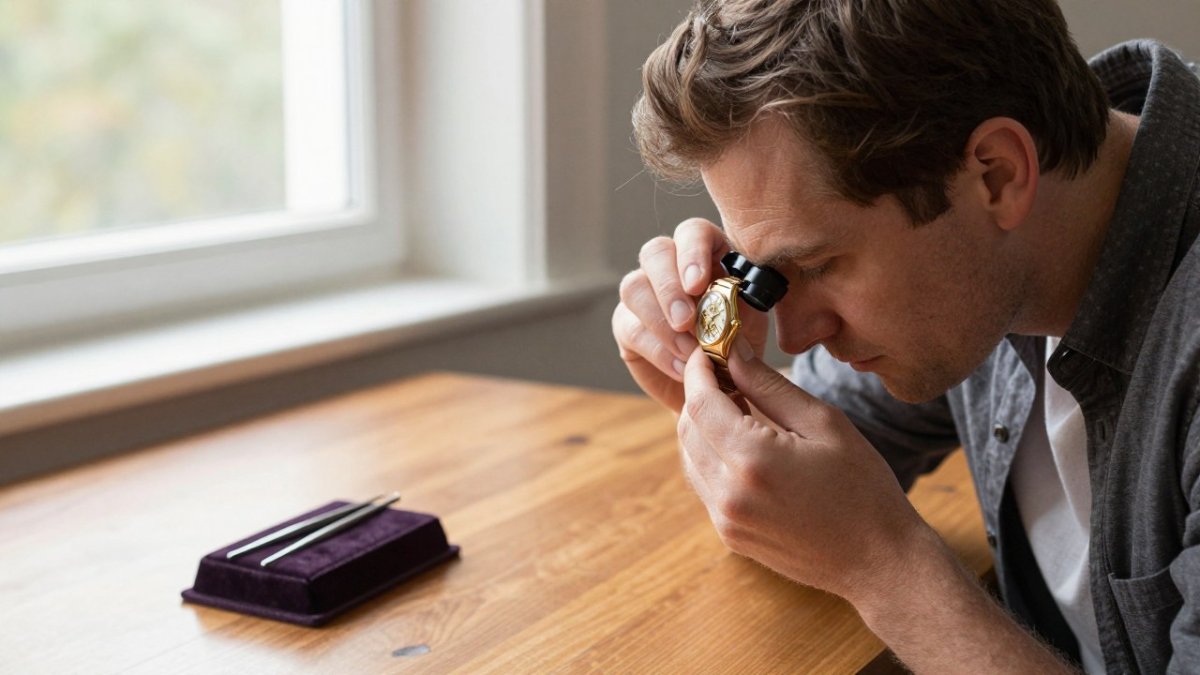
- Hands-on examination. The appraiser examines the watch and records its identifying numbers, noting any replacement parts or repairs, since originality affects value.
- Research and comparables. The appraiser reviews the model, production details, reference numbers and recent comparable sales.
- Valuation. The appraiser determines the value for your stated purpose, applying the appropriate definition (replacement value, resale value, fair market value) and documenting the reasoning.
- Report. A written report is prepared and sent to you. A useful report states the value definition used, the effective date of valuation, the watch's identification details, condition notes, the comparables relied on, and any limiting conditions.
Turnaround depends on the watch and the complexity of the research. Fees depend on the piece and the work involved, so ask for a quote before booking.
Watch out: asking for a value without saying what it is for can produce a figure an insurer will not accept, and you may end up paying twice.
The appraisal follows a clear sequence, and each stage shapes the final report.
| Step | What happens | Note |
|---|---|---|
| Booking and purpose | State the reason for the appraisal | Each purpose needs a different value definition |
| Intake and logging | Watch is received and logged | Ask for a receipt or intake record |
| Hands-on examination | Identifying numbers and repairs recorded | Originality affects value |
| Research and comparables | Model details and recent sales reviewed | Covers reference numbers and comparable sales |
| Valuation | Value set for the stated purpose | Value definition and reasoning documented |
| Report | Written report sent to you | Includes effective date and limiting conditions |
What to Bring to a Watch Appraisal
Bringing the right documents makes the appraisal faster and more accurate. Gather these before your appointment:
- The watch itself, with any strap or bracelet
- The original box and papers, if you have them
- Service receipts and any repair records
- Purchase invoice or proof of ownership
- Any previous appraisal or insurance schedule
- Photographs showing the dial, case back and movement, if available
Missing documents do not stop an appraisal. They can, however, lower the value if the appraiser cannot confirm originality or service history.
Using a Watch Appraisal for Insurance Cover
Many insurers ask for a written appraisal before they will cover a high-value watch, and the report does two jobs: it proves what the item is, and it establishes what it would cost to replace. Getting the report right at the outset saves arguments at claim time.
What insurers typically look for. Most want a report from a qualified appraiser that states the replacement value and identifies the watch by brand, model and reference number. Some also want the appraiser's qualifications and signature, and a statement of the value definition used. Check your policy wording or ask your insurer what format they accept before you book, because a report prepared for a different purpose may not satisfy them.
How often to update. An appraisal is a snapshot of value on a given date, not a permanent figure. Watch markets move, and a report that was accurate when written can drift out of line with replacement costs within a few years. A common approach is to review the appraisal every two to three years, and sooner if the model has moved sharply in the market, if you have had the watch serviced or modified, or if your insurer requests an update. Some policies specify a maximum age for valuations, so check the wording rather than assuming.
At claim time. If a watch is lost, stolen or damaged, the insurer will usually ask for the appraisal, proof of ownership and, where relevant, a police report. The appraisal supports the replacement figure, but the insurer will apply the policy terms, excess and any limits. Keep the report with your insurance documents and keep photographs of the watch, its box and papers separately, so you are not relying on a single document.
Tell your insurer when things change. If the watch is serviced, modified, sold or gifted, update your insurer. A policy schedule that no longer matches the item can complicate a claim.
Insurance rules and policy terms differ between providers. Always check the wording of your own policy and speak with your insurer or adviser before relying on an appraisal figure.
Booking Your Watch Appraisal With Gemmological Valuations of Australia
If you are ready to have your watch assessed, Gemmological Valuations of Australia can help. Our senior appraiser, Con Pappas, is a Founding Member of the National Council of Jewellery Valuers (No. 085).
To book, contact us today and tell us about your watch and what the appraisal is for. You can also review our jewellery valuation services to see what we cover. If you are weighing the difference between an appraisal and a valuation, our guide to jewellery appraisal for family law explains how valuations are used in legal matters.
Frequently Asked Questions
What is a professional watch appraisal?
A professional watch appraisal is a written assessment by a qualified appraiser that records a watch's identity, condition, originality and documented value at a specific date. The report typically describes the brand, model, reference and serial numbers, case and movement details, and any service history or original parts. Appraisals are used for insurance schedules, estate records and personal assurance. Because the value is tied to a date and purpose, it is worth asking which purpose the appraisal is intended to serve before booking.
What should I bring to a watch appraisal?
Bring the watch itself, along with any original box, warranty card, service receipts, purchase invoice and previous appraisals. Photographs of the watch from several angles, and of any serial or reference numbers, are also useful. Include documentation of any replaced parts or previous repairs, since these affect originality. Having these records ready shortens the appointment and gives the appraiser more evidence to work from.
How is a watch appraisal different from a resale estimate?
A watch appraisal is a formal written report prepared for a stated purpose, such as insurance or estate records, and it names the value basis used. A resale estimate is an informal indication of what a dealer or buyer might pay, and it can change with market conditions. Insurance value is generally higher than resale value because it reflects the cost of replacing the watch. Ask the appraiser to state clearly which value basis the report uses.
Can a watch be appraised without its original box and papers?
Yes. A watch can be appraised without its original box and papers, but the absence of these documents may affect the value and the level of confidence in its originality. The appraiser will examine the watch's construction, markings and components to assess authenticity. Any missing documentation should be noted in the report so the valuation reflects what can be verified.