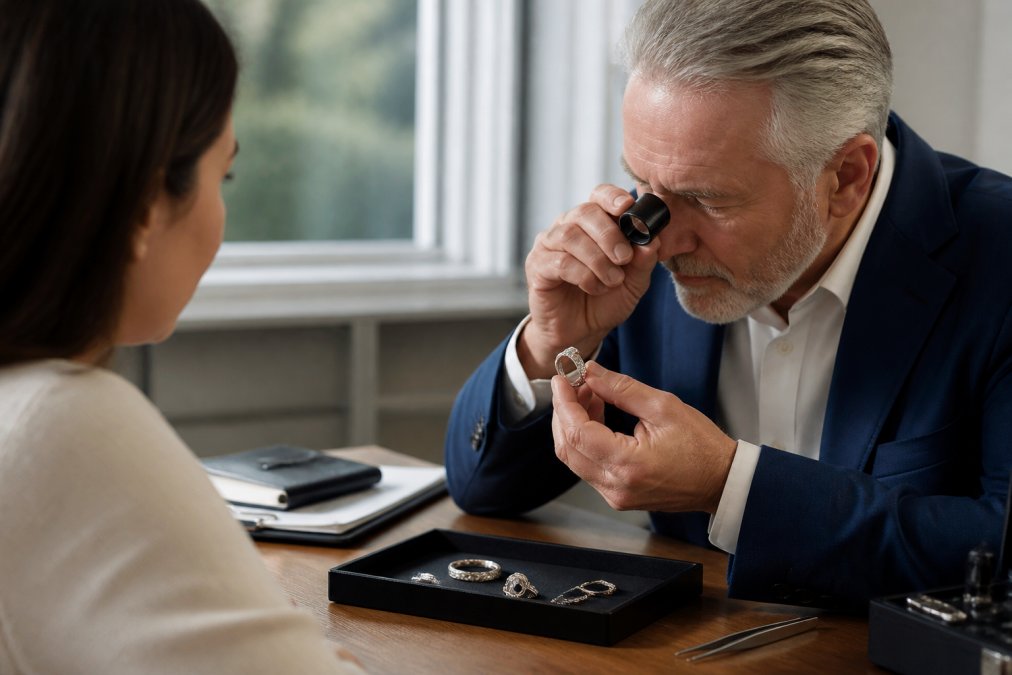
 How-to
How to Get Jewellery Valued for Insurance: 2026 Guide
Table of Contents
- What a Jewellery Valuation for Insurance Actually Covers
- Jewellery Insurance Replacement Value vs Market Value
- Step-by-Step: How to Get Your Jewellery Valued for Insurance
- Jewellery Valuation Documentation Requirements
- How Often to Update Your Jewellery Valuation
- Common Mistakes That Delay or Invalidate an Insurance Claim
- Conclusion
- Frequently Asked Questions
Last Updated: September 17, 2026
What a Jewellery Valuation for Insurance Actually Covers
Learning how to get jewellery valued for insurance starts with understanding what the document actually is. A jewellery valuation for insurance is a formal, written report that states the replacement value of a piece, based on a hands-on gemological assessment by a qualified valuer. It is not a receipt, a shop estimate, or a guess from a photo.
A proper valuation report typically includes:
- A full item description, including type of piece and setting style
- Diamond clarity, colour, cut and carat weight for each stone
- Precious metal purity, confirmed by testing and hallmarks
- Photographic record of the piece from multiple angles
- The stated value and the basis used to reach it
- The valuer's name, credentials and signature
Jewellery Insurance Replacement Value vs Market Value
These two figures are not the same, and mixing them up is one of the most common causes of underinsurance.
| Value type | What it means | Used for |
|---|---|---|
| Replacement value | Cost to buy a new equivalent at retail | Insurance cover and claims |
| Market value | What it would sell for second-hand | Resale, estate purposes |
| Resale value | What a dealer would pay you | Selling to a trade buyer |
Why Insurers Ask for Replacement Value, Not Resale Value
Insurers ask for replacement value because that is what it costs to make you whole again. If a ring is lost or stolen, you are not buying it from a dealer at wholesale. You are walking into a retail store and paying retail price.
Australian Securities and Investments Commission guidance on general insurance
Step-by-Step: How to Get Your Jewellery Valued for Insurance
The process is straightforward when you know the order of steps. Most delays come from missing paperwork, not from the valuation itself.
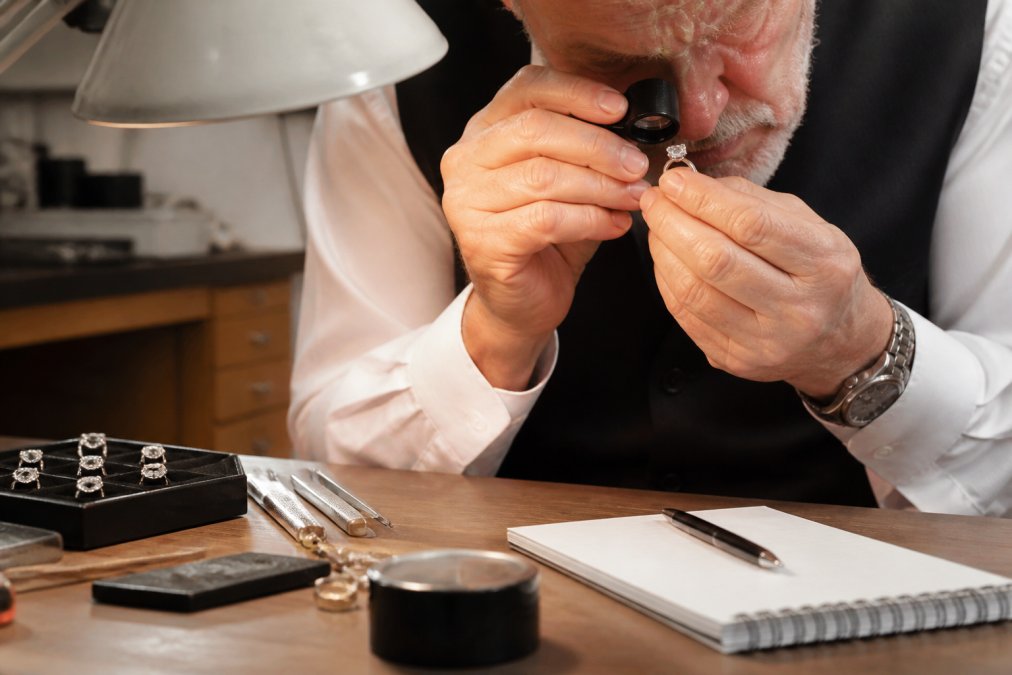
Step 1: Gather Your Documentation and Photographs
Pull together everything you already have. Old valuations, purchase receipts, certificates, and any documentation that came with the piece.
Then take your own photos before the appointment:
- The full piece, front and back
- Close-ups of any hallmarks or maker's marks
- Any engraving or unique features
- The clasp, setting, or mounting
Step 2: Choose a Qualified, Independent Valuer
Look for a valuer with professional credentials and a code of ethics. Independence matters: a valuer who also sells jewellery has a reason to inflate or deflate a figure.
Ask two questions before you book:
- Are you a member of a recognised valuer body?
- Do you provide a written report with full gemological detail?
A qualified valuer will answer both without hesitation.
Step 3: Attend the Appointment and Review the Report
Bring the piece in person. A gemological assessment cannot be done properly from a photograph. The valuer will weigh, measure and test the item while you wait.
When the report arrives, check it against these points:
- Every stone and its carat weight is listed
- The cut and color grades are stated
- The metal purity is confirmed
- Photos match your piece
- The value basis is clearly named
Jewellery Valuation Documentation Requirements
Jewellery valuation documentation requirements vary slightly between insurers, but the core elements are consistent. A report missing any of these is likely to be rejected or sent back.
Your documentation should include:
- Item description with enough detail to identify the piece
- Precious stones and metals clearly identified
- Grading for diamond clarity, colour and cut
- Weight in grams or carats
- Photographic record from several angles
- Stated value and the basis for it
- Valuer's credentials, signature and date
Keep the original. Send copies to your insurer.
Digital vs Paper Certificates: What Insurers Accept
Most insurers now accept digital certificates, but this is where things get messy. A PDF is fine for most claims. A screenshot is not.
- Issued by a named valuer or firm
- Dated and signed
- Traceable back to the valuer if queried
How Often to Update Your Jewellery Valuation
Most insurers suggest reviewing your valuation every two to three years. That is a reasonable default, but it is not the whole answer. The right interval depends on your policy type, the metals and stones involved, and how your insurer handles indexation.
Why the Two-to-Three-Year Rule Exists
Precious metal and diamond prices move. A figure from five years ago may no longer reflect what it costs to replace your piece at retail. If your sum insured is below replacement cost, a claim can be reduced proportionally, a mechanism often called averaging or underinsurance. That shortfall lands on you.
The Policy Mechanics Most Guides Skip
Two policy features determine how urgently you need to update:
- Indexation. Some policies automatically increase the sum insured each year, usually in line with a published index. Others do not. If your policy is not indexed, a stale valuation is a direct risk.
- Agreed value vs market value. An agreed value policy pays the figure stated on your schedule. A market value policy pays what the item is worth at the time of loss. With an agreed value policy, the valuation figure is the contract, so it must be current. With a market value policy, the insurer may reassess at claim time, which can work against you if values have risen.
Update Sooner If Any of These Apply
- You have added to your collection
- Metal prices have shifted sharply
- Your policy is up for renewal and the sum insured looks low
- You are moving the piece onto a new itemized schedule
- The piece has been repaired, reset, or had a stone replaced
- You are switching insurers and the new policy uses a different value basis
A Practical Review Rhythm
A workable pattern is to diarise a review every two years, and to re-check the figure whenever your policy renews. If your insurer indexes automatically, confirm the indexation is actually keeping pace with retail replacement costs, not just the metal spot price. If it is not, ask for the sum insured to be adjusted.
Common Mistakes That Delay or Invalidate an Insurance Claim
The mistakes that cost people money are predictable, but the most expensive one is not on most lists. It is the mismatch between the valuation type and the policy wording.
The Mistake Most Guides Miss: Valuation Type vs Policy Basis
A valuation states a figure on a particular basis, usually replacement value. Your policy, however, may be written on an agreed value or market value basis. If the two do not match, the claim can be reduced or disputed even though the valuation itself is sound.
- Agreed value policy. The insurer pays the figure on your schedule. The valuation must be current, because that number is the contract.
- Market value policy. The insurer pays what the item is worth at the time of loss. A replacement-value valuation may overstate the payout, and the insurer may reassess.
Other Mistakes That Delay Claims
Underinsuring the piece. A valuation is not a wish. If you insure for less than replacement value, the insurer may only pay a proportional share.
DIY Preliminary Assessment
You can do a rough check yourself before booking a valuer. Look for hallmarks, note the stone count, and photograph everything. This is not a valuation. It simply gives the valuer a starting point and helps you describe the piece accurately.
Post-Valuation Maintenance
A valuation is not a one-off task. Store the report with your policy documents, note the review date, and re-check it whenever your collection changes. Clean and inspect your pieces regularly, and photograph them again after any repair. If you share the valuation with your insurer, send a copy and keep the original, and confirm in writing which value basis they have recorded against the item.
Conclusion
Getting the paperwork right the first time saves an enormous amount of stress later, especially when a claim or an estate is already underway. The gap between a proper valuation and a rough estimate is the gap between a claim that settles quickly and one that drags on for months.
Frequently Asked Questions
How can I get my jewellery valued for insurance purposes?
Book an appointment with a qualified, independent valuer who holds professional credentials and follows a code of ethics. They will examine your piece, assess the gemstones (cut, colour, clarity, carat weight) and precious metal purity, then issue a valuation certificate stating the jewellery insurance replacement value. Bring any previous documentation, receipts, or photographs. The report should include an itemised description and a photographic record, which most insurers require before adding the item to your policy.
How often should jewellery be appraised for insurance?
Most insurers and valuers recommend updating your jewellery valuation every two to three years, or sooner if precious metal prices or gemstone markets shift significantly. You should also get a new valuation after any alteration, repair, or if you notice the item no longer matches the description on your schedule. Regular periodic review ensures your coverage limits reflect current retail replacement costs, so you are not underinsured if you need to make an insurance claim.
What is the difference between replacement value and market value?
Replacement value is what it would cost to buy a comparable new item at retail, and it is the figure insurers use to set coverage. Market value is what your piece would sell for secondhand, which is typically lower. For insurance, you want the jewellery insurance replacement value. For estate purposes or a private sale, market value or resale value is more appropriate. A qualified valuer can prepare either type of report depending on your needs.
Why is an independent valuation better than a retail store estimate?
An independent valuer has no incentive to inflate or deflate the figure because they are not selling you a replacement. They follow a professional code of ethics and provide a gemological assessment based on current market data. A retail estimate may reflect the store's own pricing rather than a true replacement cost. Independent assessment also produces documentation that insurers and legal professionals are more likely to accept without question, especially for higher-value pieces.