 How-to
Is a Vintage Watch Appraisal Worth the Cost?
Quick Summary
A vintage watch appraisal is worth the cost when the report will be used for insurance, an estate, a significant sale or a donation, and when the appraiser is independent and has genuine vintage expertise. For a common, low-value watch, a free dealer estimate may be enough. The right choice depends on the purpose of the report and the value at stake.
- Decide the purpose first, since insurance, estate, sale and donation each need a different valuation.
- Insurance value is usually higher than resale value because it reflects replacement cost from a dealer.
- Originality of the dial, case and crystal can change value more than many owners expect.
- Choose an appraiser who specialises in your brand and era and examines the watch in person.
- Avoid appraisers who want to buy the watch, since they have a stake in the outcome.
Table of Contents
- What a Watch Appraisal Actually Determines
- Insurance Value Versus Resale Value
- What Drives the Value of a Vintage Watch
- When a Vintage Watch Appraisal Is Worth the Cost
- Documents and Preparation Before Your Appraisal
- Getting an Appraisal for Resale
- Choosing a Qualified Appraiser and Checking the Report
- Booking Your Vintage Watch Appraisal
- Frequently Asked Questions
Is a Vintage Watch Appraisal Worth the Cost?
Last Updated: October 29, 2026
What a Watch Appraisal Actually Determines
A watch appraisal is a written assessment of what a vintage watch is worth, for a stated purpose.
Most owners assume there is one "true" value. There usually isn't. A watch carries a replacement value, a resale value and sometimes an investment value, and each one answers a different question.
Key terms to know:
- Replacement value: the cost to buy a comparable watch today, usually from a dealer.
- Resale value: the likely price a buyer would pay if you sold it privately or through a dealer.
- Investment value: what a collector might pay, based on demand for that reference and its condition.
Before you book, decide which of these you need. That one decision shapes the report, the method and the cost.
Insurance Value Versus Resale Value
Insurance value is usually higher than resale value. An insurer wants to know what it would cost to replace the watch with one of the same make, model and condition.
Resale value is what you would actually get if you sold. Auction results, recent comparable sales and dealer buying prices all feed into it.
Knowing the difference stops a common surprise: insuring a watch at its resale figure can leave you underinsured after a claim.
What Drives the Value of a Vintage Watch
Several factors move the number up or down. Brand, model and reference carry the most weight, because collectors pay for specific references, not just brands. Age and rarity matter next, but only when the piece is genuinely scarce.
Condition is where many owners lose value without realising it:
- Dial: originality, refinishing and print quality all count.
- Case: polishing removes metal and can soften sharp edges, which collectors notice.
- Crystal: an original acrylic or early crystal can affect the price more than owners expect.
Original parts, documentation and accessories add value. The original box, papers and matching tags make a watch easier to verify and sell. Service history matters too.
When a Vintage Watch Appraisal Is Worth the Cost
This is the question the whole article turns on, and it has a practical answer: an appraisal is worth paying for when the document it produces unlocks more value, certainty or protection than the fee it costs. Work through the four tests below before you book.
Test 1: What will you do with the report?
Match the appraisal to its intended use, because each purpose uses different assumptions and can return a different figure for the same watch:
- Insurance: a replacement-value assessment so the sum insured reflects what it would cost to buy a comparable piece from a dealer.
- Estate planning and distribution: a fair-market or estate value so executors and beneficiaries have a defensible figure. This is almost always worth commissioning.
- Private sale: a resale-focused figure based on recent comparable sales, useful for setting an asking price and testing dealer offers.
If you cannot name the use, you are not ready to book. Decide the purpose first; it shapes the method, the report and the fee.
Test 2: Is the watch valuable enough to justify a formal report?
A rough rule most practitioners apply: the appraisal fee should be small relative to the value at stake. On a common, low-value vintage piece, a dealer's free or low-cost estimate may be sufficient. On a scarce reference, a piece with strong original parts and papers, or anything you intend to insure or bequeath, a formal report earns its keep. If you are unsure which category your watch falls into, ask a specialist for a preliminary view before committing.
Test 3: Does the appraiser have the right vintage expertise?
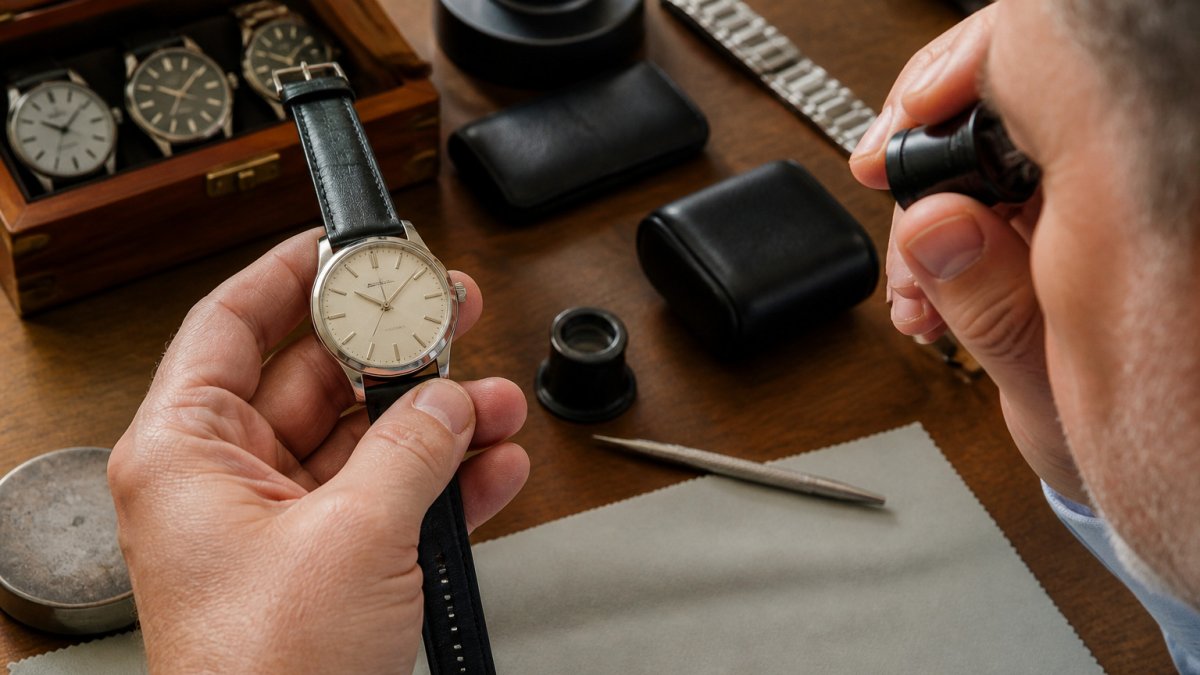
A generalist who mainly values modern jewellery may not spot a refinished dial, a replaced crown or a case that has been over-polished. Vintage work rewards specialists. Ask how many years the appraiser has handled your brand and era, and whether they examine the movement and caseback in person.
Test 4: Is there a conflict of interest?
Be cautious if the person appraising your watch also wants to buy it, or if a 'free' valuation is really a soft offer to purchase at a low price. An independent appraiser has no stake in the outcome of your sale. Ask directly whether the appraiser, or their firm, will make an offer on the watch.
Low-cost alternatives and their limits
Before you pay for a formal appraisal, understand what the cheaper options can and cannot tell you:
- Auction results: useful market evidence, but they reflect the hammer price of other watches, not your watch's condition or originality.
- Dealer offers: a buying price, not a market value, expect it to sit below what a private sale would achieve.
- Online photo estimates: quick and cheap, but they cannot detect condition issues, non-original parts or refinishing that materially change value.
Use the cheaper options as a first step to decide whether a formal appraisal is warranted, but do not mistake an estimate for an appraisal.
Four tests help decide whether a formal appraisal will earn back its fee for your watch.
| Test | Ask yourself | Worth it when |
|---|---|---|
| Purpose | What will the report be used for? | Insurance, estate, sale or donation |
| Value at stake | Is the watch valuable enough? | Scarce reference or strong originals |
| Expertise | Does the appraiser know vintage pieces? | Handles your brand and era |
| Independence | Does the appraiser want to buy it? | No stake in the outcome |
Documents and Preparation Before Your Appraisal
Good preparation makes the appraisal faster and more accurate. Gather everything you have before you bring the watch in.
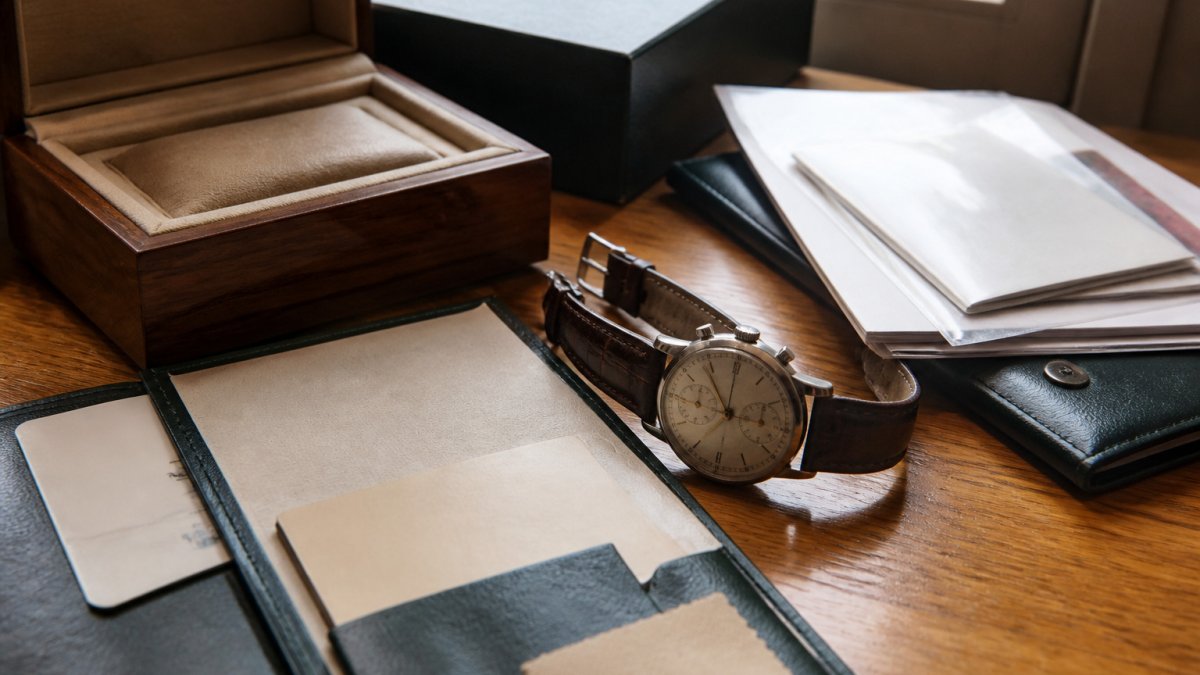
- Find the original box, papers, warranty card and any service receipts.
- Note any accessories, such as spare links, straps or tools.
- Write down when and where you bought it, and what you paid.
- List any repairs, polishing or part replacements, with dates.
- Photograph the watch from several angles, including the movement if you can open the caseback safely.
- Note the reference and serial numbers, if they are visible.
Do not clean or polish the watch before the appraisal. Some owners remove patina or original finishes without realising it, and that can lower the value.
Getting an Appraisal for Resale
If you plan to sell, tell the appraiser early. A resale appraisal focuses on what buyers in the current market pay, not what an insurer would replace it for.
Ask for a realistic range, not a single number. Markets move, and a good appraisal explains what could push the price up or down. Use the report to set a sensible asking price and to compare dealer offers.
Choosing a Qualified Appraiser and Checking the Report
Vintage watches carry risks that modern pieces do not, and the right appraiser is one who knows where those risks hide.
Vintage-specific risks an appraiser should catch
- Refinished or reprinted dials: a repainted dial can look sharp to an untrained eye but reduces collector value. An experienced appraiser examines print quality, fonts and patina under magnification.
- Over-polished cases: polishing removes metal and softens the sharp edges collectors prize. Compare case geometry and lug shape against known examples.
- Non-original or 'assembled' watches: vintage pieces are sometimes built from parts of different watches, or fitted with later replacement hands, crowns, bezels or crystals. Ask the appraiser how they verify originality of the dial, case, movement and hands.
How to choose an appraiser
- Ask whether the appraiser specialises in your brand and era, and how many years they have worked with vintage pieces.
- Confirm they will examine the watch in person, including the movement and caseback where safe.
- Ask whether they, or their firm, will make an offer to buy the watch, an independent appraiser has no stake in your sale.
Our senior appraiser, Con Pappas, has more than 50 years of industry experience. Gemmological Valuations of Australia is a founding member of the National Council of Jewellery Valuers, membership number 085. You can verify that membership directly with the council.
What a written report should contain
A report you can rely on, for an insurer, an executor or a buyer, should include:
- The purpose of the valuation and the type of value given (replacement, resale, estate or fair market).
- A full description of the watch, including brand, model, reference and serial numbers.
- A condition report noting originality of dial, case, hands, crown and crystal, and any defects.
How to verify the report before you rely on it
- Check that the description and photographs match the watch you brought in.
- Confirm the stated purpose and value type fit your need, an insurance report is not automatically suitable for an estate.
- For insurance, check the insurer's requirements first; some ask for a specific format or a recent valuation date.
When to update an appraisal
A valuation is a snapshot, not a permanent figure. Commission a fresh appraisal after a significant market move in your reference, after a major repair or restoration, on inheritance or before an estate distribution, and whenever your insurance cover or the insurer's requirements change. Keep the previous report and any service invoices alongside the new one.
Booking Your Vintage Watch Appraisal
If you have a vintage watch and want to know whether an appraisal is worth it for your situation, start by reviewing our jewellery valuation services. Then contact us to discuss your watch, the purpose of the appraisal and the next steps.
Our team handles estate valuations with timely, careful work. Contact us to arrange your appointment.
Frequently Asked Questions
Which old watches are worth money?
Vintage watches from well-regarded makers, in good original condition and with complete documentation, tend to hold the most value. Value depends on brand, model, age, rarity and whether the dial, case and movement are original. Common sense check: a watch that has been heavily refinished or has replaced parts usually sells for less than an unaltered example. An appraiser can tell you where your particular piece sits in the current market, which is far more reliable than guessing from online listings.
Is a professional appraisal worth it for a vintage watch?
It is usually worth it when the watch is valuable enough that an insurance gap or a poor sale would matter to you, or when you need a formal record for estate or legal purposes. For a modest-value watch, the appraisal fee may exceed the benefit. Before booking, ask the appraiser what the report will be used for, what it will cost, and whether the report will state insurance value, resale value or both, so you can judge the expense against your situation.
How do I prepare a vintage watch for an appraisal?
Gather the original box, papers, warranty cards and any receipts, and note any service or repair history. Do not clean the watch or attempt repairs beforehand, as this can remove original finish or create new problems that lower its value. Take clear photographs of the dial, case, crystal and movement if you have them. Bring the watch with all its parts, including any spare links or straps, so the appraiser can assess what is original.
Can an appraisal confirm whether a vintage watch is authentic?
A qualified appraiser can examine the watch's features, markings, materials and documentation and give an opinion on whether it appears authentic and consistent with its claimed model and age. The opinion is only as strong as the examination allowed, and some questions, such as detailed movement history, may need specialist servicing to answer. Ask the appraiser to state clearly the limits of their examination in the written report.
Gemmological Valuations of Australia provides jewellery and watch appraisals for insurance, estate and personal purposes.