 Ultimate guide
Why Jewellery Valuations Vary in Price: A 2026 Guide
Table of Contents
- Why Jewellery Valuations Vary in Price: The Core Reasons
- Insurance Replacement Value vs Market Value: What's the Difference?
- Market Conditions and Precious Metal Volatility
- The Physical Inspection Process: A Step-by-Step Breakdown
- How to Prepare Jewellery for Valuation
- NCJV Registered Valuer Requirements and Why They Matter
- How to Spot a Fraudulent or Low-Quality Valuation
- Conclusion: Making Sense of Valuation Price Variations
- Frequently Asked Questions
Last Updated: September 11, 2026
Why Jewellery Valuations Vary in Price: The Core Reasons
Two jewellers can inspect the same diamond ring and hand you documents that differ by thousands. That gap rarely means one valuer got it wrong: jewellery valuations vary in price because the figure reflects a specific purpose, a specific market, and a specific valuer's judgement, not a single fixed number. At Gemmological Valuations of Australia, we've prepared reports for insurance, estates and private sales, and the question we hear most is simple: why the difference?
Three variables drive the answer: purpose sets which value definition applies, expertise determines how accurately the piece is graded, and market conditions at the date of assessment move the numbers.
Purpose of the Valuation
Insurance replacement value is what it would cost to replace the item new, from a retail store, on the day of the report, typically the highest figure you will see.
Fair market value is what a willing buyer would pay a willing seller, neither under pressure. Estate distributions, tax matters and private sales usually need this definition instead.
Forced sale or liquidation value applies when a seller must move an item quickly, often through auction or trade. It sits well below fair market value.
Same ring, three purposes, three different numbers. The purpose drives the figure before anything else does.
Valuer's Expertise and Qualifications
A valuation is only as reliable as the person signing it. Gemstone identification, clarity grading, treatment detection and metal testing each require training and equipment, and a valuer who cannot distinguish a treated stone from an untreated one will misprice the piece.
Experience matters in the awkward cases: unmarked metals, older cuts, synthetic stones in antique mounts, watches with replaced components. Our senior appraiser, Con Pappas, has worked in the trade for over 50 years and is a founding member of the National Council of Jewellery Valuers.
Insurance Replacement Value vs Market Value: What's the Difference?
Insurance replacement value is the retail cost to replace an item with a new equivalent, while market value is what the item would realistically fetch in a private or auction sale. Replacement value is almost always higher, because it assumes a retail purchase with full margins, taxes and a new item rather than your worn one. Insurers need to know what a claim would cost them; buyers and executors need to know what the piece is worth to someone else.
When Each Value Applies
- Insurance cover: replacement value, reviewed periodically as retail prices move
- Estate distribution: fair market value, so beneficiaries receive equitable shares
- Private sale: fair market value or a negotiated range, depending on urgency
- Family law proceedings: a defined value standard set by the court, supported by a formal report
- Quick liquidation: forced sale value, usually the lowest of the set
Getting this wrong is expensive: insure at market value and you may be underinsured at claim time, while distributing an estate at replacement value may overstate what it can realise.
| Value Type | What It Measures | Typical Use |
|---|---|---|
| Replacement value | Retail cost to buy new | Insurance cover |
| Fair market value | Willing buyer, willing seller | Estates, private sales |
| Forced sale value | Quick sale, no waiting | Liquidation, urgent sales |
| Auction estimate | Likely hammer range | Consignment planning |
Market Conditions and Precious Metal Volatility
Gold, platinum and silver prices move daily, and gemstone markets shift more slowly but just as surely. A valuation is a snapshot of a date, not a permanent truth. When metal prices climb, replacement values climb with them, even if your ring never changes.
A replacement figure is built from several moving parts, each of which can shift independently of the jewellery itself:
- The metal benchmark. Precious metal prices are quoted in troy ounces, tracked against international benchmarks, then converted to the gram weights in your piece. A ring carries little metal; a heavy chain or bangle carries much more, so the same percentage move affects them very differently.
- The gemstone market. Diamonds and coloured stones trade through their own supply chains, with prices influenced by rough supply, cutting costs and demand. Coloured stones such as sapphire, ruby and emerald can move sharply when supply from a major source tightens.
- Currency conversion. Many stones, watches and finished pieces are traded internationally and priced in foreign currencies, so a weaker local currency can push replacement values up without any change in the item.
- Retail margin and tax. Replacement value assumes a retail purchase, so it includes the margin, duties and taxes a consumer would actually pay.
How Market Fluctuations Affect Your Valuation
Two identical rings valued eighteen months apart can carry noticeably different figures. Nothing about the jewellery changed, the market did. This is why periodic review matters: an insurance schedule built on an older report may no longer reflect what replacement would cost today, and underinsurance is the quiet risk.
A practical rule of thumb is to review insurance valuations every two to three years, and sooner if metal or gemstone markets have moved sharply (iii.org). For pieces with significant coloured stones or high metal weight, an annual check is worth considering. Reviews are usually quicker than the original assessment, because the item has already been identified and graded.
Why Provenance Can Outrun the Market
One factor does not move with metal or gemstone benchmarks at all: provenance. A piece with documented history, a signed maker's mark, original box and papers, a record of ownership by a known figure, or a design from a recognised period, can hold or gain value even when raw material prices fall. Two brooches with identical gold weight and stone content can sit thousands apart because one has a verifiable story and the other does not. A valuer who only weighs and grades, without asking about history, will routinely understate what a piece is worth to the right buyer. If you hold inherited or antique jewellery, bring every document you have, old receipts, photographs, exhibition records, family correspondence, to the appointment.
The Physical Inspection Process: A Step-by-Step Breakdown
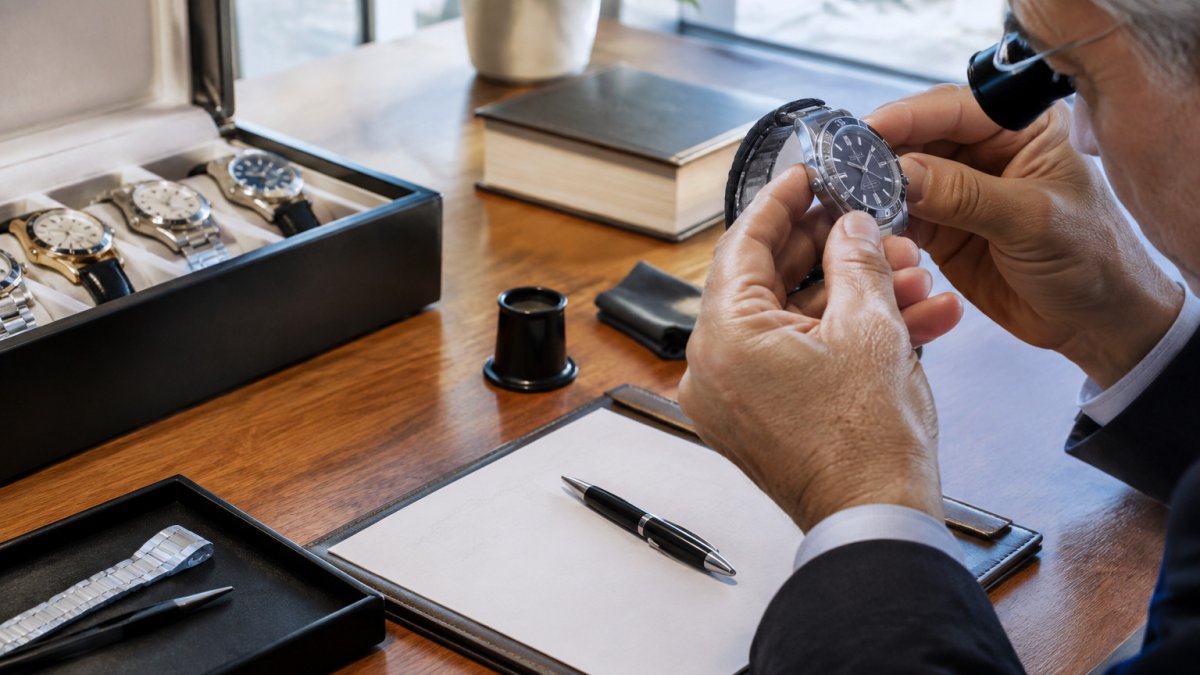
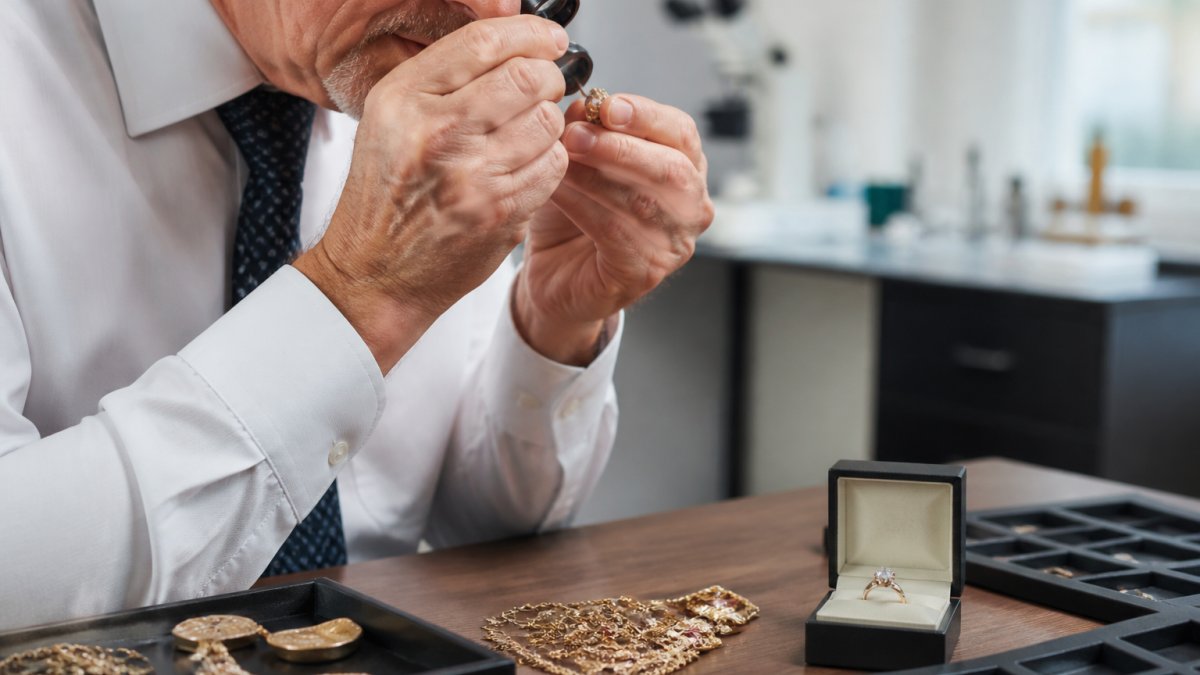
A proper valuation involves a documented inspection, not a glance under a counter lamp, and a great deal of measurement and testing sits behind the final number.
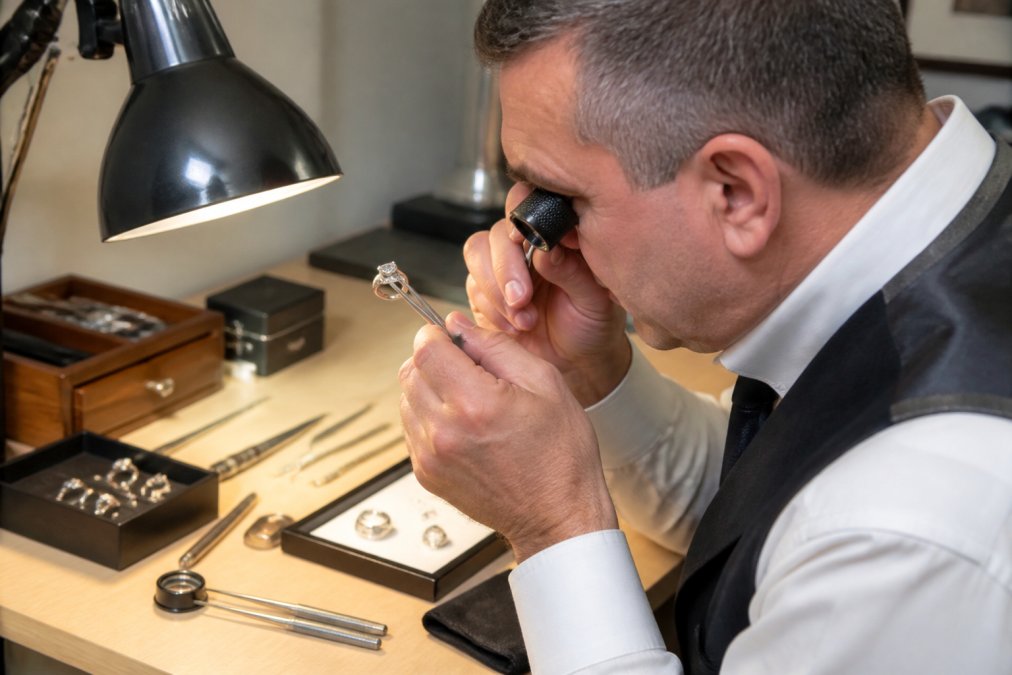
Here is what a thorough inspection typically involves:
- Weighing and measuring the item, including metal weight and stone dimensions
- Testing metal purity, using acid, electronic or X-ray fluorescence methods
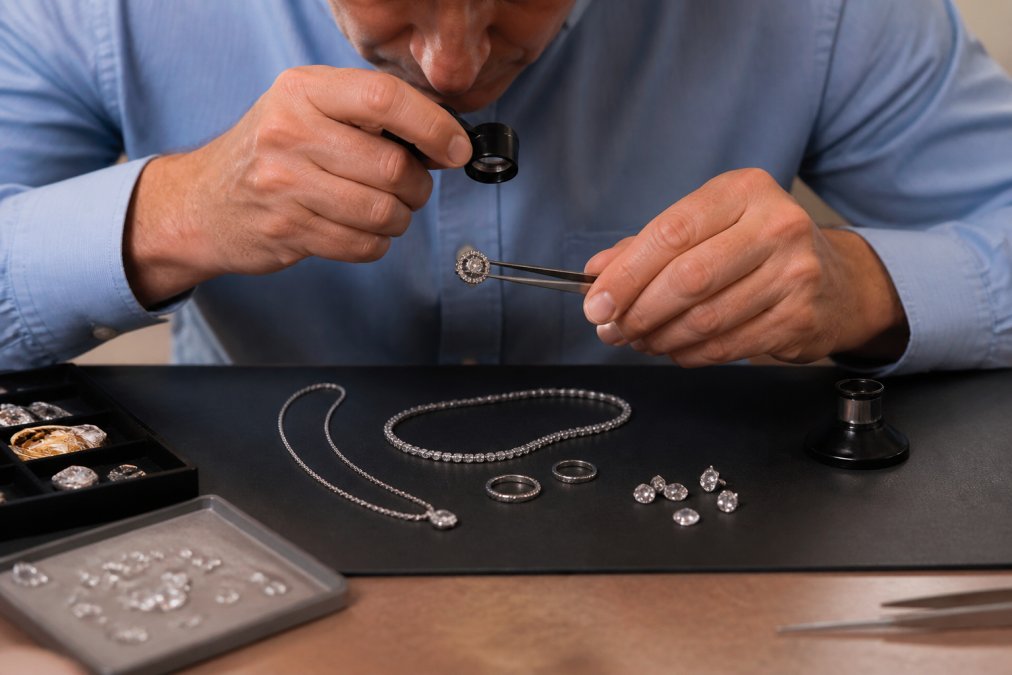
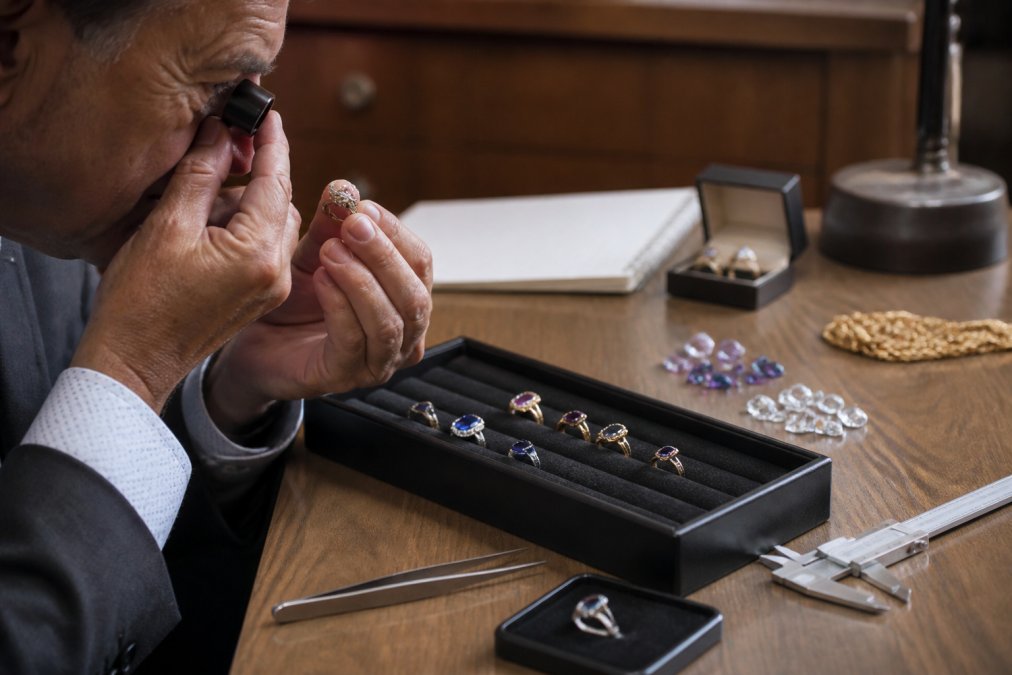
- Identifying and grading stones under magnification, checking colour, clarity, cut and carat weight
- Detecting treatments and synthetics, which materially affect value
- Checking hallmarks and maker's marks for origin and authenticity
- Photographing the piece for the report record
- Researching current market prices for comparable items before the figure is set
Each step adds time, and a complex piece with multiple stones, treatments to verify or provenance to research takes longer than a plain gold band.
How to Prepare Jewellery for Valuation
Preparation is simple and speeds up the process: clean your pieces gently, gather any paperwork you have, and bring the original boxes or cases where possible. Old receipts, insurance schedules, gemstone certificates and provenance documents all help the valuer place the item accurately, and provenance can lift a piece above its material value, particularly signed pieces, antique jewellery and watches with documented service history. If you are handling an estate, list every item before the appointment and group pieces by type. Bring everything, even pieces you think are minor: inherited collections often hide one or two items worth documenting properly.
What to Bring to the Appointment
A short checklist saves a second visit:
- The item itself, plus any matching pieces (earring pairs, bracelet and clasp, watch and spare links)
- Original boxes, cases and pouches
- Certificates and grading reports for stones
- Purchase receipts, insurance schedules and previous valuations
- Service records, especially for watches
- Any provenance material: photographs, letters, exhibition catalogues, maker documentation
- A list of the items if you are bringing more than a few pieces
How to Vet a Valuer Before You Engage Them
Most guides tell you what a valuation is, but few tell you how to spot a good one before you hand over your jewellery. A weak report is worse than no report, it gives false confidence and may not be accepted by an insurer, solicitor or court. Ask these questions before booking:
- What professional body are you a member of, and what is your membership number? A verifiable membership with a recognised body signals that the valuer has met competency and conduct standards. Confirm the number directly with the body.
- What value definitions do you provide, and will the report state which one applies? A report that gives a figure without naming the value definition is nearly useless for insurance or legal purposes.
- What testing methods do you use for metals and stones? Look for a specific answer covering metal purity testing and treatment detection, not a vague assurance.
- Will the report include photographs and a full description? Photographs, measurements, grading detail and condition notes are what make a figure defensible later.
- How do you handle coloured stone treatments and watch component verification? These are where weak valuations most often go wrong.
- Will you inspect the item in person? A same-day figure with no physical inspection is a red flag.
How to Read the Report You Receive
When the report arrives, check that it contains:
- The valuer's name, signature and membership number
- The date of assessment
- A clear statement of the value definition used
- A full description of the item, including metal, stones, weights and condition
- Photographs of the piece
- A note of any treatments, synthetics or condition issues identified
- The testing methods applied
If any of these are missing, ask for them in writing before you rely on the report. Digital delivery is faster, but the content standards have not changed: a digital report must still carry the same detail, signature and methodology as a physical one.
NCJV Registered Valuer Requirements and Why They Matter
The National Council of Jewellery Valuers sets competency and conduct standards for its members, and registration signals that a valuer has met them through demonstrated technical competence, a code of practice and maintained professional standards (appraisers.org). An insurer, solicitor or court is far more likely to accept a report from a valuer whose credentials can be verified. Our founding membership of the NCJV, member No.085, is exactly the kind of credential you can check independently. Ask any valuer for their membership number and confirm it directly with the professional body, it takes minutes and separates qualified practitioners from those who simply own a loupe.
How to Spot a Fraudulent or Low-Quality Valuation
A weak valuation usually shows itself in the paperwork before you ever question the number. Watch for:
- No photographs of the item
- No description of testing methods used
- No value definition stated, just a figure
- No valuer name, signature or membership number
- No date of assessment
- Figures that look copied from a retail price tag rather than researched
- No mention of treatments, synthetics or condition issues
A report that omits the value definition is nearly useless for insurance or legal purposes, because nobody can tell what the number represents. If a provider offers a same-day figure with no inspection, treat it with suspicion.
Conclusion: Making Sense of Valuation Price Variations
Valuation figures vary because purpose, expertise, market timing and inspection depth all feed into the result. Understanding which value definition you actually need is the first step to getting a report that holds up.
That is where Gemmological Valuations of Australia comes in. Led by Con Pappas, a founding member of the National Council of Jewellery Valuers with over 50 years in the trade, we deliver precise, well-documented valuations for insurance, estate planning and personal assurance, handling every piece with care and respect. Contact Gemmological Valuations of Australia and secure a valuation you can rely on.
Frequently Asked Questions
How much do jewellers charge for valuations?
Fees depend on the complexity of the piece, the purpose of the valuation, and the valuer's expertise. A simple silver chain takes less time than a multi-stone diamond ring. Some providers charge a flat rate per item, while others charge hourly. For an accurate quote, contact the valuer directly with details of your items. Remember that a low fee may mean a less thorough inspection, which could leave you underinsured.
What is the difference between an insurance valuation and a market value appraisal?
An insurance valuation estimates the cost to replace your item with a similar piece at retail, including GST. A market value appraisal estimates what your item would sell for in a private sale or at auction, which is often lower. Insurance valuations are typically higher because they cover retail replacement. Always confirm which type you need before commissioning a valuation, as the figures can differ significantly.
How do I ensure I am receiving a professional and accurate valuation?
Look for a valuer who is a registered member of a recognised professional body, such as the National Council of Jewellery Valuers (NCJV). A qualified valuer will examine your item thoroughly, document findings with photographs and measurements, and provide a written report that includes a clear description and valuation figure. Ask about their experience and whether they specialise in the type of jewellery you own.
Can you trust a jewellery appraisal?
A trustworthy appraisal comes from an independent valuer who has no financial interest in buying or selling your item. Check credentials, ask for sample reports, and ensure the valuation is based on current market data. Be wary of appraisals that seem unusually high or low without explanation. A professional valuer will be transparent about their methods and happy to answer your questions.