 blog
7 Key Factors Collectors Should Know About Jewellery Appraisal
Last Updated: October 24, 2026
Quick Summary
A jewellery appraisal is a formal, documented assessment of a piece's value, condition, and authenticity conducted by a qualified professional. For collectors, it provides essential protection by documenting provenance, identifying materials, and creating an authoritative record that supports insurance claims, estate settlements, and sales verification.
- Insurance valuations focus on replacement cost, what it would cost to replace your piece with equivalent quality today.
- A thorough appraisal examines condition under magnification, verifies authenticity using specific tools, and investigates provenance to establish value.
- Antique jewellery valuation requires specialist expertise in period styles, manufacturing techniques, and historical market demand.
- A comprehensive appraisal report includes detailed descriptions, condition documentation, photography, valuation date and purpose, and the appraiser's credentials.
- Choose an independent, credentialed valuer with no financial interest in the outcome beyond their fee.
Table of Contents
- Why Collectors Need Professional Jewellery Appraisal
- Understanding Different Types of Jewellery Valuation for Insurance
- How Valuers Assess Condition, Provenance and Authenticity
- Antique Jewellery Valuation: Special Considerations for Older Pieces
- What a Comprehensive Jewellery Appraisal Report Should Include
- Watch Valuation Service: Specialist Assessment for Timepieces
- Verifying Your Valuer's Credentials and Independence
- Getting Your Collection Appraised: Next Steps
- Frequently Asked Questions
Why Collectors Need Professional Jewellery Appraisal
A jewellery appraisal is a formal, documented assessment of a piece's value, condition, and authenticity conducted by a qualified professional. For collectors, this isn't optional, it's essential protection.
Collectors accumulate pieces for different reasons. Some chase rare gemstones. Others hunt for vintage or antique designs. A few build watches as an investment. Whatever drives your collecting, one thing matters equally: knowing what you actually own and what it's worth.
This is where a professional jewellery appraisal service becomes invaluable. It's not just about getting a number for insurance. A thorough appraisal documents provenance, identifies materials, flags any repairs or treatments, and creates a record that protects your collection against loss, theft, or dispute. At Gemmological Valuations of Australia, we've appraised collections exceeding $1 million.
Without formal documentation, you're vulnerable. If a piece is stolen, your insurer needs proof of value. If you're settling an estate, beneficiaries need clarity on what's being distributed. If you're considering a sale, potential buyers want verification of authenticity and condition. A jewellery appraisal report provides all of that in one authoritative document.
Understanding Different Types of Jewellery Valuation for Insurance
Not all valuations serve the same purpose, and this distinction matters more than most collectors realise.
Insurance valuations focus on replacement value, what it would cost to replace your piece with something of equivalent quality today. This is the figure your insurer needs. It reflects current market prices for materials and labour, not what you paid or what you could sell it for.
Market value, by contrast, is what a buyer would actually pay for your piece in the open market. This is typically lower than replacement value because it accounts for the buyer's margin and the reality that secondhand jewellery sells at a discount. If you're considering a sale, market value is the number that matters.
Estate valuations are used for probate, tax, or distribution purposes. These need to be court-ready and defensible. They require detailed documentation and professional credentials that courts recognise. A casual appraisal won't suffice here.
Matrimonial valuations are specific to family law disputes and require independence and formal reporting standards. These follow a different process and carry legal weight.
For most collectors seeking a jewellery appraisal report, insurance valuation is the starting point. But understanding these distinctions helps you ask the right questions when you commission an appraisal and ensures you're getting what you actually need.
How Valuers Assess Condition, Provenance and Authenticity
The difference between a surface-level appraisal and a thorough one lies in how the valuer examines three critical areas: condition, provenance, and authenticity.
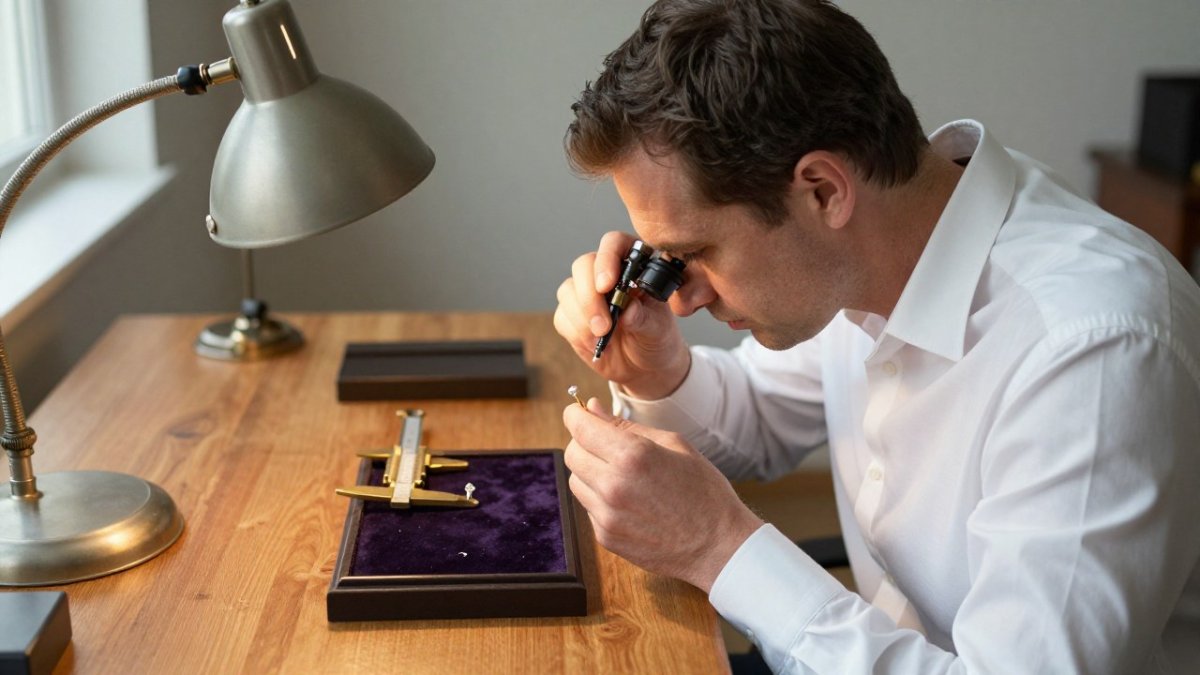
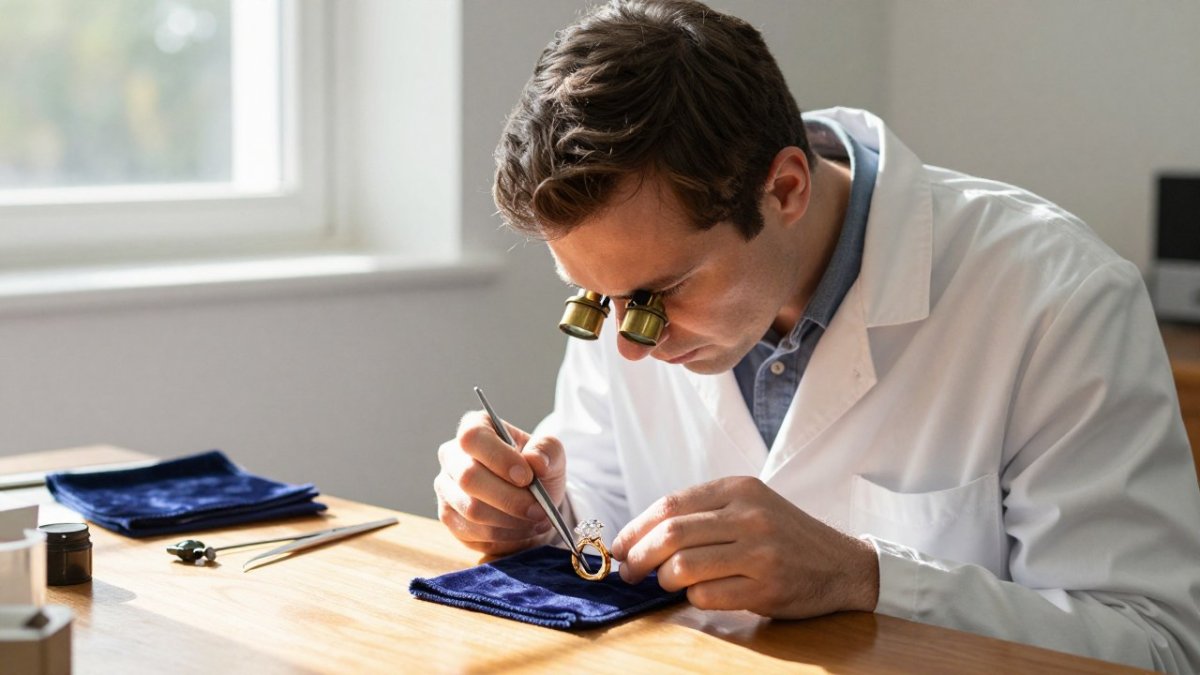
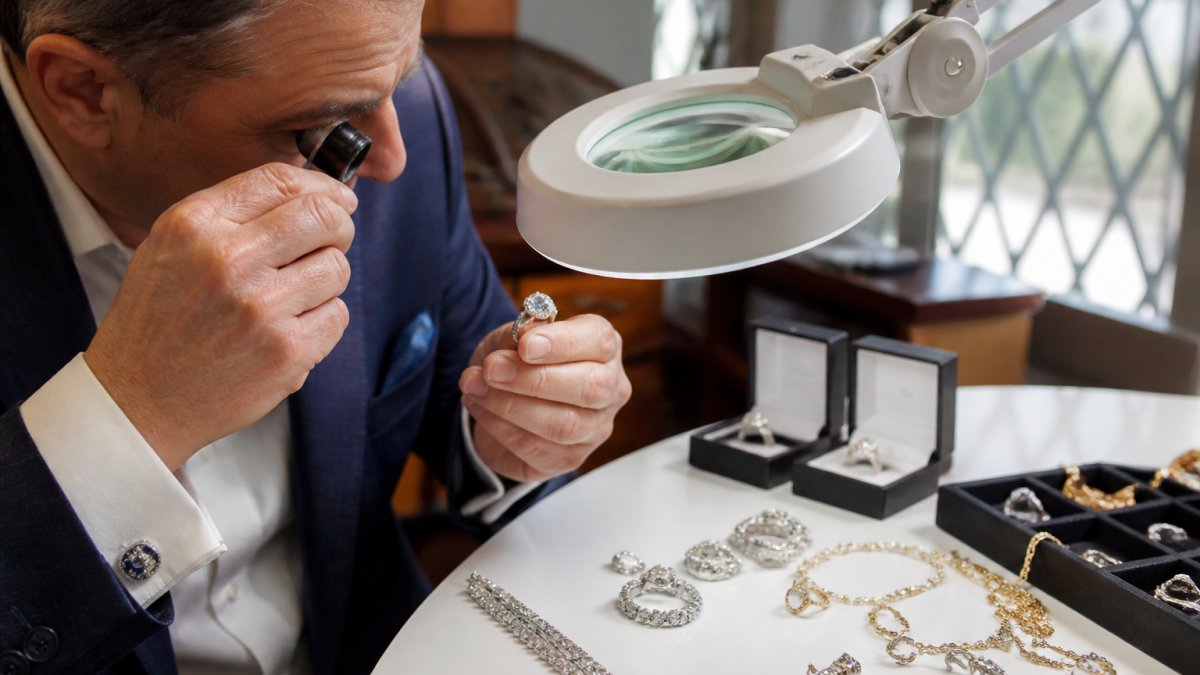
Condition assessment goes beyond "it looks nice." A professional examines the piece under magnification, documenting wear patterns, any damage, repairs, and the quality of setting work. A diamond with a chip is worth significantly less than one without. A watch with a replaced movement is different from an original.
Provenance, the history and origin of a piece, adds context and sometimes value. Where did it come from? Is there documentation? Has it been owned by anyone notable? For collectors, provenance can be the difference between a piece worth $5,000 and one worth $15,000.
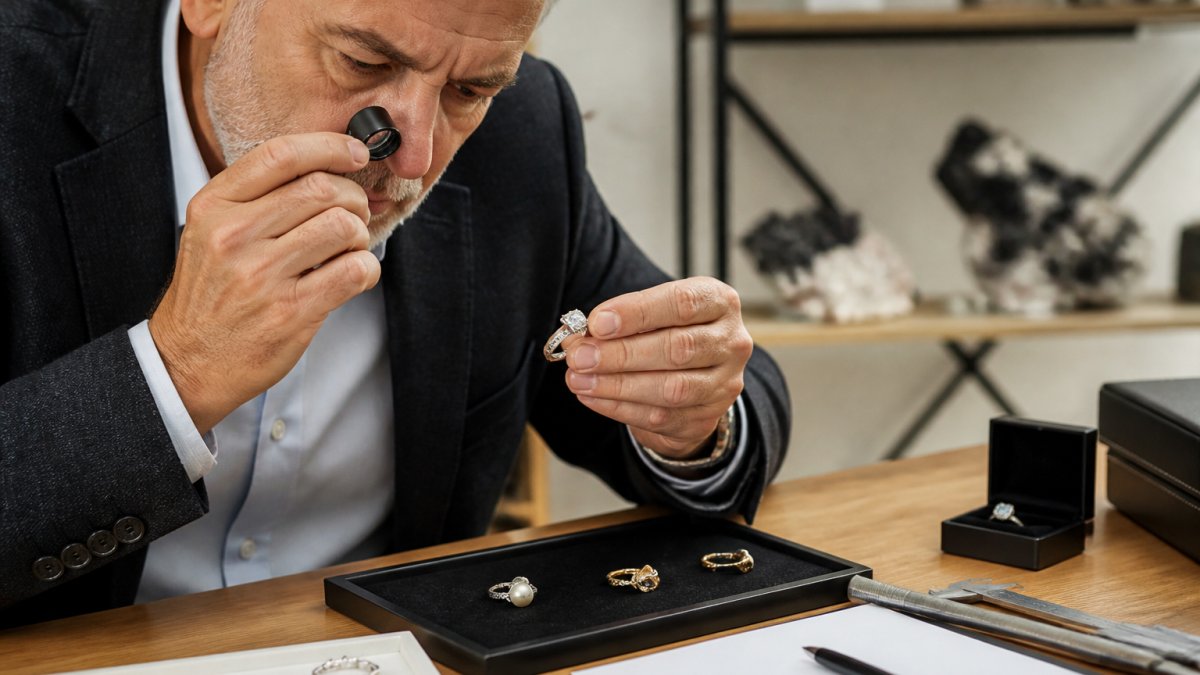
Authenticity verification is non-negotiable. Is that gold actually 18-carat, or is it plated? Is the diamond natural, lab-created, or synthetic? Are the hallmarks genuine? A valuer uses specific tools and techniques to confirm what a piece actually is.
This is why the valuer's expertise matters. A jewellery appraisal service worth using doesn't just measure and weigh. It investigates.
Antique Jewellery Valuation: Special Considerations for Older Pieces
Antique jewellery valuation follows different logic than modern pieces. Age alone doesn't determine value. Rarity, condition, provenance, and desirability do.
An antique brooch from the 1920s might be worth $200 or $2,000 depending on who made it, what materials were used, and whether collectors are actively seeking that style. A Victorian ring could be a bargain or a treasure. Without expertise in period styles, manufacturing techniques, and market demand, you can't tell the difference.
Older pieces often present challenges. Materials may be mixed, gold-filled rather than solid gold, or silver with gold plating. Repairs are common and must be disclosed. Gemstones may have been treated in ways that aren't obvious. A piece might have been altered over time, with original components replaced.
Provenance becomes even more important with antique jewellery. A piece with a known maker's mark, documented ownership history, or publication in a jewellery reference guide carries significant premium. A brooch with no history is just an old brooch. A brooch that belonged to a notable collector or appears in an auction catalogue is a different proposition entirely.
If you're collecting antique jewellery, a specialist valuer with knowledge of period styles and historical manufacturing is essential. This isn't generic jewellery appraisal territory, it requires specific expertise in antique pieces.
What a Comprehensive Jewellery Appraisal Report Should Include
A professional jewellery appraisal report is your proof of value and condition. It should be detailed enough to stand up to an insurance claim or legal scrutiny.
A proper report includes a clear description of the piece: materials, dimensions, weight, gemstone details (carat weight, colour, clarity, cut), and any identifying marks or hallmarks. It should document condition, including any wear, damage, or repairs. For gemstones, a reputable lab certificate adds credibility.
The report states the valuation date and the purpose of the appraisal (insurance, estate, market value, etc.). It includes the appraiser's credentials and professional memberships, which matters if the report is ever questioned.
Photography is standard. Clear images of the piece from multiple angles help with insurance claims and provide a visual record of condition.
A comprehensive report also includes limitations and disclaimers. Valuers note if they couldn't fully examine a piece, if gemstones weren't removed for inspection, or if treatments couldn't be ruled out. Transparency here actually builds trust, not the reverse.
The report should be signed and dated, with clear contact information for the appraiser. If you ever need to reference it or answer questions about it, you need to be able to reach the person who wrote it.
Watch Valuation Service: Specialist Assessment for Timepieces
Watches sit at the intersection of jewellery and mechanical engineering, which means a watch valuation service requires specific expertise that general jewellery valuers may not have.
A mechanical watch's value depends on movement quality, rarity, condition of the mechanism, and whether original components are intact. A Rolex with an original dial is worth more than one with a replacement. A vintage Omega with a functioning original movement is different from one that's been serviced multiple times with aftermarket parts.
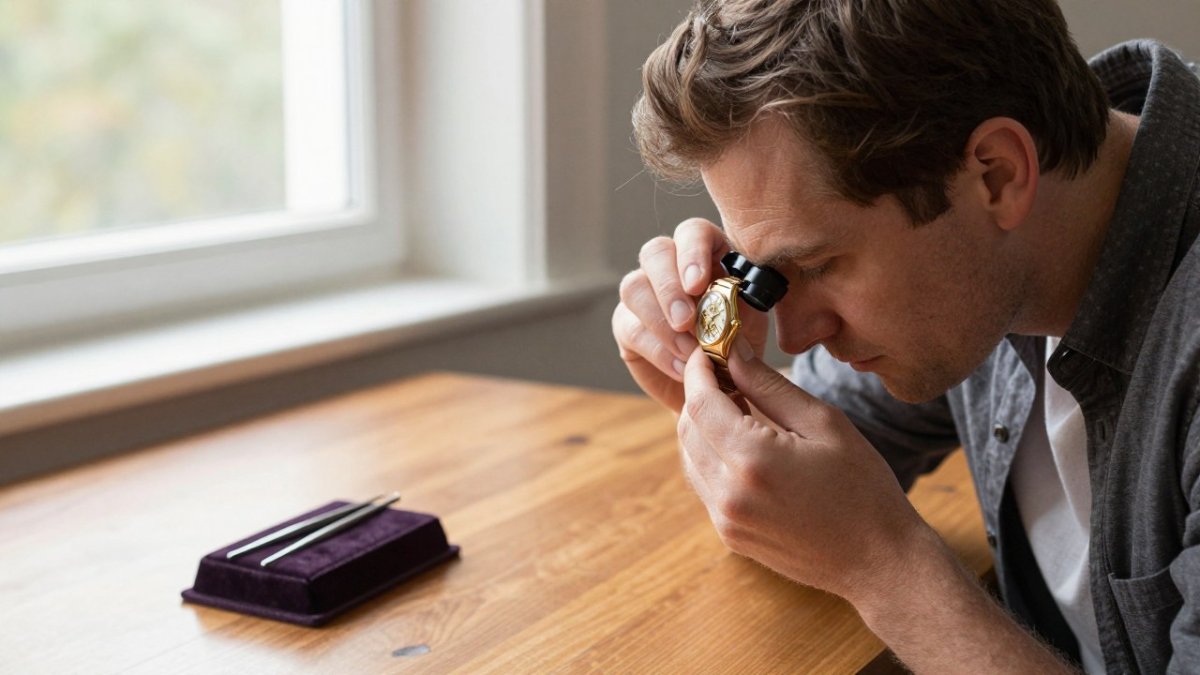
Collectors of fine watches know this. They understand that a watch is not just about the case and bracelet, it's about what's inside and whether it's original. A professional watch valuation service examines the movement under magnification, checks for signs of service or repair, verifies the serial number, and assesses whether the piece matches its stated manufacture year and model.
Documentation matters enormously with watches. Original papers, service records, and warranty cards add significant value. A watch without provenance is harder to value with confidence.
If you're collecting watches as part of your jewellery portfolio, work with a valuer who has specific watch expertise. General jewellery appraisers may not have the horological knowledge to properly assess movement condition or identify period-correct components.
Verifying Your Valuer's Credentials and Independence
Before you hand over your collection, verify that your appraiser has genuine credentials and operates independently.
Look for membership in professional bodies. In Australia, the National Council of Jewellery Valuers sets standards for independent valuers and maintains a register of qualified practitioners (Find A Valuer). A valuer who is a founding member or established member of this organisation has undergone vetting and commits to a code of conduct.
Ask about qualifications. How long has the valuer been practising? What formal training do they have? Do they hold certifications in gemology or jewellery valuation? Years of experience matter, but so does formal education in gemstone identification and valuation methodology.
Independence is critical. A valuer who is also a jeweller or dealer has a potential conflict of interest. They might undervalue pieces to acquire them cheaply, or they might have incentive to recommend repairs or treatments. A truly independent valuer has no financial interest in the outcome beyond their fee.
Ask how they're paid.
You can contact Gemmological Valuations of Australia to verify credentials and discuss independence before commissioning an appraisal. Con Pappas, the senior appraiser, is a founding member of the National Council of Jewellery Valuers and brings over 50 years of industry experience, credentials you can verify directly.
Ask your valuer for references.
Getting Your Collection Appraised: Next Steps
Starting the appraisal process is straightforward, but a few practical steps make it smoother.
First, gather what you have. Create a simple list of pieces you want appraised, noting any documentation you have, original receipts, insurance policies, certificates, or family history.
Second, decide what you need. Are you appraising for insurance? Estate planning? A potential sale? Different purposes may require different approaches. An insurance valuation focuses on replacement cost. An estate appraisal needs to be court-ready.
Third, choose your valuer carefully. Don't default to the jeweller who sold you the piece or the nearest local option. A jewellery appraisal service should be independent, credentialed, and experienced with the types of pieces you own.
Fourth, prepare for the appointment. Bring all your pieces and any documentation. Allow enough time, a thorough appraisal isn't rushed. Professional valuers typically examine pieces carefully, take notes and photographs, and may need time to research specific items or consult references.
Finally, expect a formal report. A professional jewellery appraisal report takes time to prepare. It's not something you should receive the same day.
Protecting a valuable collection means knowing what you own and having documentation to prove it. A professional jewellery appraisal gives you that clarity and peace of mind.
| Valuation Type | Primary Purpose | When You Need It |
|---|---|---|
| Insurance valuation | Replacement cost for claims | Before insuring high-value pieces |
| Market valuation | What a buyer would pay | Planning a sale or understanding resale value |
| Estate appraisal | Legal and tax documentation | Probate, inheritance, or distribution |
| Matrimonial valuation | Family law proceedings | Divorce or asset division disputes |
| Condition report | Detailed documentation of state | Before and after repairs, or for records |
Frequently Asked Questions
How long does a jewellery appraisal take?
Turnaround depends on the number of pieces and their complexity. A single item may take a few days, while a large collection can take one to two weeks. The appraiser will provide a timeframe when you submit your collection. Urgent requests may be accommodated; contact your valuer directly to discuss your timeline.
What should a jewellery appraisal report include?
A comprehensive jewellery appraisal report should include detailed descriptions of each piece, gemstone and metal identification, condition assessment, high-resolution photographs, current market value, replacement value for insurance purposes, the valuer's credentials, the date of valuation, and a statement of independence. This documentation protects you for insurance claims and estate purposes.
How often should collectors update jewellery valuations?
Market values for precious metals and gemstones fluctuate. Most collectors should have valuations updated every 3-5 years, or sooner if market conditions change significantly. If you're using the valuation for insurance, check with your provider about their refresh requirements. Estate and matrimonial valuations may need updating if circumstances change or if significant time has passed.
What is the difference between an insurance valuation and a resale estimate?
An insurance valuation reflects replacement value, what it would cost to replace the piece new today. A resale estimate reflects market value, what a buyer would pay for it secondhand. Insurance valuations are typically higher because they account for retail replacement costs. For collectors, insurance valuations protect against loss or theft, while resale estimates help you understand what your collection might fetch if sold.