 How-to
7 Steps to Value Custom Jewellery for Insurance
Quick Summary
To value custom jewellery for insurance, gather the original commission records, document the piece thoroughly, and get a written valuation certificate based on replacement value. Because there is no identical item to compare against, the valuer should price the metal, gemstones, labour and design complexity separately. Review your policy wording yearly so the valuation stays current.
- Collect the commission agreement, invoices, design sketches and any maker correspondence first.
- Record measurements, metal purity, stone details and maker's marks, with photos from several angles.
- Insurers usually need replacement value, which can differ from market value and original price.
- Labour and craftsmanship are often underestimated, so ask the valuer to price them separately.
- Get a written valuation certificate naming the valuer, valuation date, value and basis used.
Table of Contents
- Why Custom Jewellery Is Harder to Value for Insurance
- Step 1: Gather the Original Commission Records
- Step 2: Document the Piece Thoroughly
- Step 3: Establish Replacement Value Versus Market Value
- Step 4: Price the Recreation Cost of a Bespoke Piece
- Step 5: Obtain a Written Valuation Certificate
- Step 6: Review the Policy Wording and Update Your Valuation
- Booking a Valuation for Your Custom Pieces
- Frequently Asked Questions
7 Steps to Value Custom Jewellery for Insurance
Last Updated: November 4, 2026
Why Custom Jewellery Is Harder to Value for Insurance
Custom jewellery is harder to value than a standard ring or necklace because there is often no identical item to compare it with. A bespoke piece is designed for one person, so an insurer has no shop price to point to. A clear record and a proper valuation make the process far easier.
A custom piece usually carries value in three places: the gemstones, the metal, and the craftsmanship. Design complexity and the time a maker spent on the work can add to the cost. Insurers often focus on the stones and metal alone, so the labour side is easy to lose. That gap is where many claims go wrong. Because craftsmanship can be overlooked when insurers assess stones and metal, documenting the maker’s work helps preserve its contribution to value, and knowing how to verify custom jewelry craftsmanship can make that assessment more complete.
Here is what makes bespoke pieces tricky:
- No direct comparison. There is no retail twin to price against.
- Labour is hard to prove. Hours of hand-finishing rarely appear on a receipt.
- Original costs drift. Gold and gemstone prices change, so a figure from years ago may be out of date.
- Design records can be scattered. Sketches, emails and invoices often sit in different places.
Understanding these points early makes the steps below much easier to follow.
Step 1: Gather the Original Commission Records
Start by collecting every document linked to the piece. The original commission file is the strongest proof of what you paid and what was made. Look for the signed commission agreement, invoices, receipts, and any quotes that show the agreed price.
Many people also find design sketches, CAD drawings, or emails with the maker. These show the piece was made to order and explain its features. Keep them together in one folder, both on paper and as scanned copies.
If records are missing, do not panic. Ask the maker for a copy of their file, since many jewellers keep detailed records for years. Bank statements that show payment can also help confirm the transaction.
Step 2: Document the Piece Thoroughly
A detailed description is essential for an accurate valuation. Describe the item in plain language and include its measurements, weight, metal type and purity, and the number, size and cut of any stones. Note any engraving, hallmarks or unusual features.
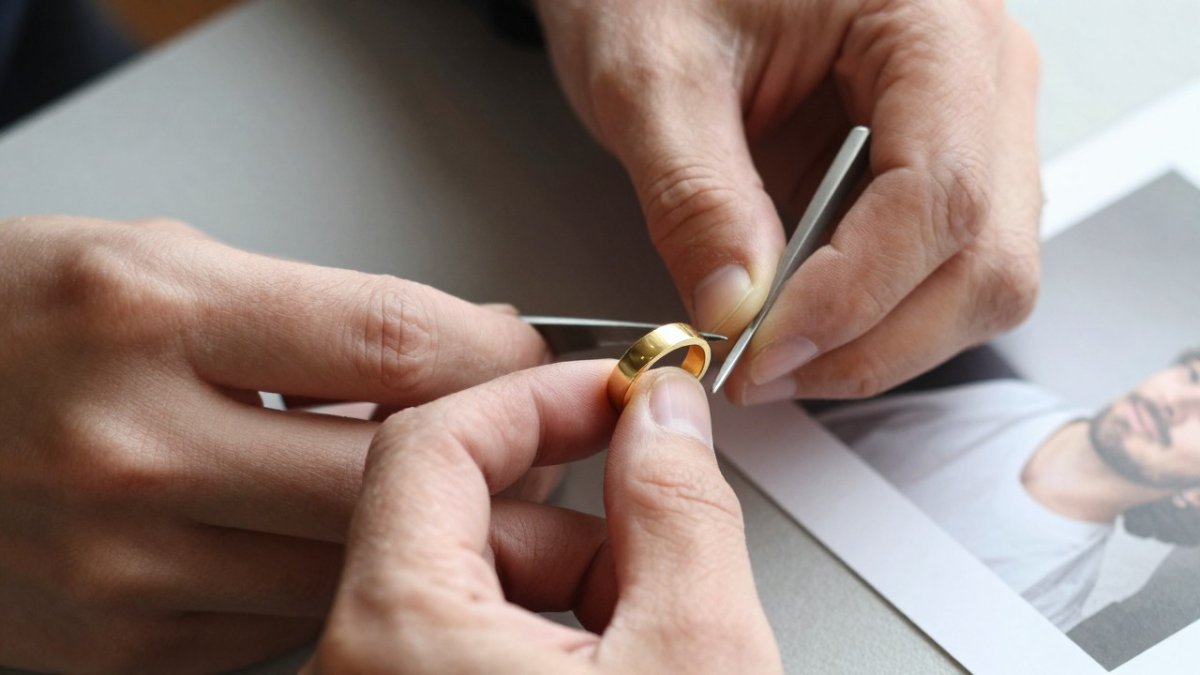
Photographs make the record stronger. Take clear images from several angles against a plain background, and include a close-up of the stones and any maker's marks. Use a scale reference such as a ruler where possible.
Keep the item record up to date. Store it with your policy documents and update it whenever the piece is repaired or altered.
Step 3: Establish Replacement Value Versus Market Value
Insurers usually ask which value applies to your policy, and the two are not the same. Market value is what the piece would sell for, often well below what you paid. Replacement value is the cost of making a similar piece today, and it is usually the figure that matters for insurance. For more on how these valuations are used in legal and family-law settings, see our family law appraisal guide.
For a custom piece, replacement value means the current cost to recreate the design using comparable materials and workmanship. This can be higher than the original price if metal or stone costs have risen.
Check your policy wording closely. Some policies pay replacement cost, others pay market value, and some use an agreed value. Knowing which one you hold tells you which valuation to request. For a deeper look at legal and family-law uses of valuations, see our guide, Jewellery Appraisal for Family Law: A 2026 Guide.
Step 4: Price the Recreation Cost of a Bespoke Piece
Recreation cost is the practical heart of a custom valuation. It estimates what it would take to rebuild the piece today, not what you paid for it originally. For a bespoke item there is no shelf price to copy, so the figure has to be built up from its parts. A valuer can work through the components below and show the reasoning for each so the insurer can follow it.
1. Metal. The weight and purity of the metal are priced at the current market rate on the valuation date, plus a making allowance. A heavier or higher-carat piece costs more to recreate even if the design is identical.
2. Gemstones. Each stone is described by type, carat weight, colour, clarity and cut, then priced at today's market for comparable stones. Matched sets, unusual cuts and coloured stones are harder to replace and may carry a premium. A stone that was sourced specially for the commission may be difficult to match at all.
3. Labour and craftsmanship. This is where most people underestimate. Include the design time, the CAD or hand-drawing work, the setting hours, the finishing and polishing, and any specialist techniques such as hand-engraving, filigree, granulation or invisible setting. A maker who no longer works, or a technique that few workshops still practise, can push the recreation cost well above the original commission price.
4. Design complexity. Asymmetric designs, articulated settings, hidden mechanisms and custom clasps all add time and risk to a rebuild. A valuer should note these features explicitly rather than folding them into a generic labour figure.
A practical way to test the number is to ask what a reputable workshop would charge today to make the piece again from the same specifications. If the valuer cannot explain how each component was reached, the insurer may discount the figure. Ask for the breakdown in writing and keep it with the certificate.
Watch out: a recreation cost can differ sharply from what you originally paid, because metal and stone prices move and because the original maker may have charged below today's workshop rates. Replacement cost versus the original commission price is a common point of dispute, so confirm which basis your policy uses before you finalise the number.
The article breaks recreation cost into four components that a valuer prices separately.
| Component | What is priced | Why it matters |
|---|---|---|
| Metal | Weight and purity at current market rate | Heavier or higher-carat pieces cost more to recreate |
| Gemstones | Type, carat, colour, clarity and cut | Matched sets and unusual cuts may carry a premium |
| Labour and craftsmanship | Design, setting, finishing and specialist techniques | Often underestimated; can exceed the original commission price |
| Design complexity | Asymmetric, articulated or hidden features | Adds time and risk to a rebuild |
Step 5: Obtain a Written Valuation Certificate
A written valuation certificate is the document most insurers want to see. It should name the item, describe it in detail, state the valuation date, and give the value and the basis used. It should also name the valuer and their qualifications.
Choose a qualified and independent valuer. Look for professional memberships and a clear record of accredited work. Confirm with your insurer that they will accept the certificate before you pay, because acceptance rules can differ between companies.
Keep the original certificate safe and send your insurer a copy. A certificate is only useful if it is current and easy to read.
Step 6: Review the Policy Wording and Update Your Valuation
Read your policy wording at least once a year. Look for any single-item limit, any requirement to list valuable items separately, and any clause about how claims are settled. Many policies set a maximum payout for an unlisted item, so a valuable custom piece may need its own schedule. Check whether the policy pays replacement cost, market value or an agreed value, because that decides which valuation you need.
Revalue your jewellery regularly. Metal and stone prices move over time, and an old valuation can leave you underinsured. A simple rule is to review the valuation whenever the policy renews or the piece is repaired or altered.
When the piece is already lost or damaged
This is the hardest case for bespoke jewellery, because the item cannot be inspected. The claim then rests on the records you kept before the loss. Gather everything that shows what the piece was: the commission agreement and invoices, design sketches and CAD files, workshop records, pre-loss photographs from several angles, and any earlier appraisal or valuation certificate. A written description with measurements, stone details and maker's marks is far stronger than a memory.
If you have a current valuation certificate, send it with the claim. If you do not, an independent valuer may be able to prepare a retrospective assessment from the records and photographs, though it will carry more caveats than an inspection-based report. Ask the valuer what evidence they need before you lodge the claim, so you are not gathering documents under time pressure.
If the insurer's offer looks low
If a settlement offer is lower than your valuation, do not accept it straight away. Ask for the reasons in writing, compare the insurer's assessment with your certificate and the component breakdown, and request a review. Point to specific items the insurer may have missed, such as labour, specialist techniques or matched stones. If the dispute continues, seek an independent second opinion from a qualified valuer and keep a written record of every exchange. A clear paper trail is what moves a disputed claim forward.
Booking a Valuation for Your Custom Pieces
If you own a custom piece and want a clear, insurance-ready valuation, Gemmological Valuations of Australia provides valuation services for jewellery and watches. Senior appraiser Con Pappas brings over 50 years of experience and is a founding member of the National Council of Jewellery Valuers, No. 085. Our reports are precise and well documented.
Contact Gemmological Valuations of Australia to discuss your piece, ask about the valuation process, and arrange a time.
Frequently Asked Questions
How do you value custom-made jewellery for an insurance claim?
Start with the commission records, photographs and any design drawings, then have a qualified valuer assess the current cost of recreating the piece with comparable materials and craftsmanship. Because no retail equivalent usually exists, the valuer builds the figure from metal weight, gemstone grading, design complexity and labour. Keep the valuation dated and signed so the insurer can test it against the policy's settlement terms.
Is replacement value the same as the price originally paid?
Not always. The price originally paid reflects what you agreed with the maker at the time, while replacement value reflects what it would cost to recreate the piece today. Metal prices, gemstone availability and labour rates can all move between commission and claim. Your policy wording determines which measure applies, so check whether it refers to replacement, recreation or indemnity.
What documents should I provide for a custom jewellery claim?
Provide the original commission invoice or agreement, any design sketches and correspondence with the maker, gemstone certificates, a written valuation certificate, and clear photographs taken from several angles. Keep an itemised record listing each component, its weight and its description. The more consistent the evidence, the less room there is for an insurer to dispute the settlement.
Do I need a new valuation if my custom jewellery is lost or damaged?
A fresh valuation at the date of loss is usually needed because the original figure may no longer reflect current costs. If the piece is damaged rather than lost, a repair assessment may also be required. Notify your insurer promptly, keep all records, and ask for the valuer's assessment in writing so you can compare it with the insurer's figure if they differ.