 How-to
7 Checks Before Buying Antique Jewellery as an Investment
Last Updated: November 1, 2026
Quick Summary
Before buying antique jewellery as an investment, first confirm the piece is genuinely old, usually made more than 100 years ago, and check that its age can be proven. Then verify provenance through receipts, auction records or older appraisals, examine hallmarks and construction for signs of fakes, and get an independent valuation before committing.
- Antique jewellery is generally understood as pieces made more than 100 years ago.
- Ask the seller for original receipts, auction records or previous valuation certificates to confirm provenance.
- Genuine hallmarks are usually small, crisp and consistent with the piece's period and region.
- Watch for machine-made parts, modern solder joints or fittings that do not match the rest of the piece.
- Get an independent report that describes the piece, states the valuation basis and is signed by the appraiser.
Table of Contents
- What Makes a Piece of Jewellery Antique, and Why It Matters for Value
- Checking Provenance: Can You Trace the Piece's History?
- How to Spot Fake Antique Jewellery Before You Buy
- Condition, Craftsmanship and Materials to Examine
- Antique Jewellery Valuation Methods and Getting an Independent Report
- Investment Pitfalls to Avoid When Buying Antique Jewellery
- Booking an Independent Valuation Before You Commit to a Purchase
- Frequently Asked Questions
What Makes a Piece of Jewellery Antique, and Why It Matters for Value
Before you spend money on antique jewellery as an investment, you need to know what the word actually means. The first question a valuer should ask is simple: how old is the piece, and can its age be proven? Antique jewellery is generally understood as pieces made more than 100 years ago. Many people use the term more loosely, so the distinction matters when you are paying for scarcity and craftsmanship.
Age alone does not set value. A piece from a well-known workshop, in good condition, with the correct period hallmarks, usually holds appeal far better than an older piece with heavy repairs. Check the hallmarks, the cut of any stones, and the setting style, because these details place the piece in its period.
Watch out: a piece described as "antique" in a listing may only be a few decades old. Ask for evidence of age before you rely on the label.
Checking Provenance: Can You Trace the Piece's History?
Provenance is the documented history of ownership. For investment purposes it can be the difference between a piece that sells well and one that struggles to find a buyer. A clear chain of ownership, supported by receipts, auction records, or older appraisal certificates, gives a buyer confidence that the piece is what the seller claims.
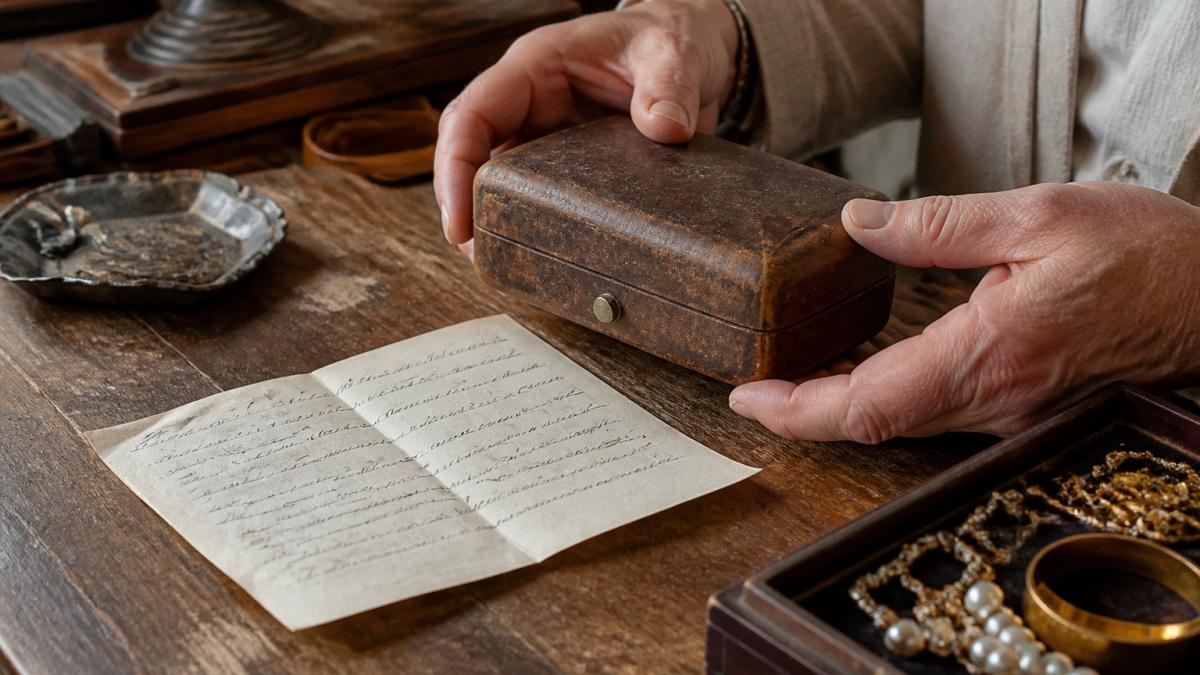
Ask the seller for every document they hold. Look for:
- Original sales receipts or invoices
- Auction house catalogues or lot records
- Previous valuation or insurance certificates
- Letters or family records that describe the piece's history
Gaps in provenance are not automatically a reason to walk away, but they do lower the price a careful buyer should expect to pay. The importance of provenance in jewellery grows with the value of the piece.
How to Spot Fake Antique Jewellery Before You Buy
Reproductions and altered pieces are common in the antique market, and they can be hard to spot without training. Start with the hallmarks. Genuine hallmarks are usually small, crisp, and consistent with the period and region. Blurred or unusual marks deserve a closer look under magnification. Mastering the nuances of these stamps is a fundamental step in authenticating antique silver jewelry before committing to a purchase.
Next, examine the construction. Machine-made components, modern solder joints, or fittings that do not match the rest of the piece often signal later work. Check the stones too. Synthetic stones and glass imitations were widely used in older pieces, so a stone's presence does not prove value on its own.
A common mistake is trusting a clean appearance. Some counterfeit pieces are polished to look convincing. Ask for an independent gemmological assessment before you commit a significant sum.
Condition, Craftsmanship and Materials to Examine
Condition has a direct effect on value. Look for wear on the high points of the design, worn claws holding stones, and any signs of repair or re-plating. Small wear can add character, but structural damage or heavy restoration usually reduces the price a buyer will pay.
Examine the craftsmanship closely. Fine engraving, consistent stone settings, and balanced design suggest skilled makers. Compare the piece against reference examples from the same period where you can.
Materials matter as well. Confirm the metal purity from the hallmark and check the gemstones for treatments, which are common and affect value. Ask for a clear description of each stone, including its origin and any enhancement, in writing.
Antique Jewellery Valuation Methods and Getting an Independent Report
Valuers generally use one of three approaches. Replacement value estimates what it would cost to buy a similar piece today, which suits insurance. Market value estimates the price a willing buyer would pay a willing seller, which suits a sale or estate division. Liquidation value reflects a quick sale, often at a lower figure.
For an investment, market value is usually the most useful measure. An independent report carries more weight than a seller's own estimate, particularly when the piece is intended for insurance, estate planning, or a later sale. Ask that the report describe the piece in detail, state the valuation basis, and be signed by the appraiser. You can see how these reports are structured and used in practice in our jewellery appraisal guide.
Investment Pitfalls to Avoid When Buying Antique Jewellery
Several pitfalls catch new buyers. The most common is paying a retail price for a piece that would resell for much less. Dealers and auction houses add margins, so the value you see on a tag is rarely the value you can recover.
Other pitfalls include:
- Buying on emotion or urgency rather than after independent checks
- Overlooking restoration that lowers resale value
- Assuming all gemstones hold value equally
- Ignoring insurance and storage costs over time
Treat antique jewellery as a long-term holding, not a quick return. Liquidity is limited, and the market for specific pieces can change.
Booking an Independent Valuation Before You Commit to a Purchase
Before you finalise any purchase, get the piece independently valued. You can review the valuation services we offer and book one before you commit. An independent report protects you from overpaying and gives you a reference point for insurance or a future sale. Gemmological Valuations of Australia is led by senior appraiser Con Pappas, who has more than 50 years of industry experience, and assesses both jewellery and watches.
Contact us to discuss your piece and arrange an independent valuation before you commit your money.
Frequently Asked Questions
What defines a piece of jewellery as 'antique'?
In Australia, jewellery is generally regarded as antique when it is at least 100 years old, though many buyers and valuers also use the term loosely for pieces from the early-to-mid twentieth century, which are more accurately described as vintage. The age matters because it affects rarity, construction methods and market demand. Age alone does not set value, however. A well-documented piece from a recognised maker will usually be worth far more than an unmarked piece of similar age, so always confirm the date and origin with an independent assessment before buying.
How do I verify the authenticity of antique jewellery?
Start by examining hallmarks, maker's marks and assay marks under magnification, then compare the construction, the metal and any stones against known period examples. Look for signs of modern manufacturing such as laser welding, uniform machine-cut settings or synthetic stones that were not available when the piece was supposedly made. Authentication is rarely possible from a visual check alone, so ask for a gemmological report on any significant stones and a written valuation from an independent appraiser before you pay.
What role does provenance play in the value of antique jewellery?
Provenance is the documented history of ownership, and it can strongly influence price, particularly for pieces linked to a known maker, designer or previous owner. Original sales receipts, insurance schedules, auction catalogues and family letters all help establish a verifiable chain of ownership. Pieces without provenance are not worthless, but the buyer carries more risk and should expect a lower valuation and a harder resale.
What are the risks of investing in antique jewellery?
The main risks are overpaying for a piece that is reproduction or heavily restored, buying without a current independent valuation, and assuming that jewellery will resell at its purchase price. Dealer margins, fluctuating gold and gemstone prices, and limited buyer pools all affect returns. Treat antique jewellery as a long-term holding, keep documentation with the piece, and review its insured value periodically with a qualified valuer.