 Comparison
Are Watch Authentication Services Worth the Cost?
Last Updated: November 7, 2026
Quick Summary
Watch authentication is usually worth the cost when a counterfeit or heavily altered watch would be a serious financial loss, such as a high-value purchase from an anonymous seller with incomplete documentation. A clean report confirms what was examined that day, but it does not guarantee future value or condition.
- Authentication checks whether a watch is genuine, complete and unaltered, not what it is worth.
- Compare the authentication fee against the purchase price and the cost of a wrong decision.
- Arrange a documented inspection before payment for any high-value watch.
- Confirm in writing what the report covers, since a verbal opinion offers little recourse.
- Ask your insurer which valuation documents they require for high-value watches.
Table of Contents
- What Watch Authentication Involves and What It Checks
- Watch Authentication vs Appraisal: Different Jobs, Different Answers
- How to Authenticate a Watch Before Buying
- A Cost-Versus-Risk Framework: When Paying for Authentication Makes Sense
- Watch Appraisal for Insurance: Why the Report Matters
- Pre-Owned Watch Inspection Checklist Before You Pay
- Booking Your Next Step: Authentication, Appraisal or Both
- Frequently Asked Questions
What Watch Authentication Involves and What It Checks
Watch authentication is a specialist examination that asks one question: is this timepiece what it claims to be? For a buyer of a pre-owned watch, that question matters more than the asking price, because a convincing counterfeit or a heavily altered genuine watch can cost far more than any authentication fee.
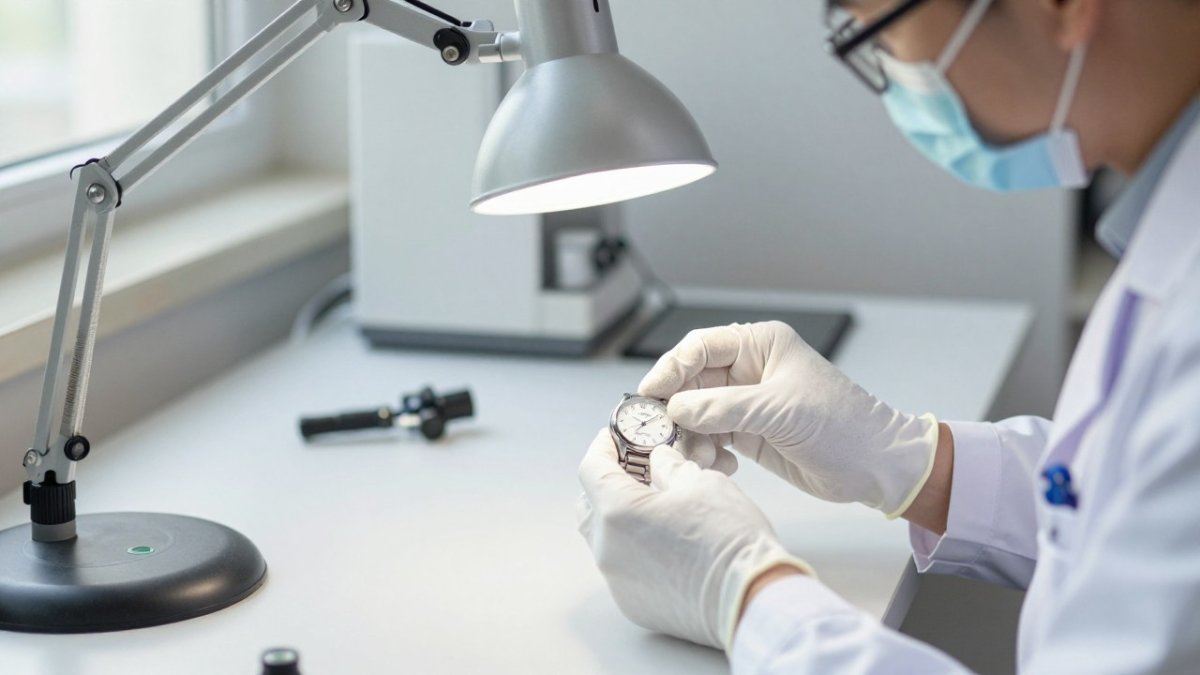
Movement, case, dial and reference numbers
The examination typically starts with the paperwork and the identifiers. The reference number and serial number should match the model and production period the watch claims to be, and any mismatch is a reason to look closer. The movement, case, and dial are then checked against what the manufacturer produced for that reference, including font, printing, lume, and finishing. Parts that have been swapped, such as a replacement dial or a non-original bracelet, are common and not always a sign of fraud, but they change the value and must be documented.
Watch Authentication vs Appraisal: Different Jobs, Different Answers
Authentication and appraisal are often confused, but they answer different questions. Authentication determines whether a watch is genuine and whether it is complete and unaltered. Appraisal estimates what the watch is worth, usually for insurance, estate, or sale purposes.
How to Authenticate a Watch Before Buying
Before you pay, ask the seller for the original box, papers, receipt, and any service history. Then compare the watch against reference photographs from the manufacturer's catalogue or an authenticator's guidance. Where the purchase is significant, arrange a professional examination before the money changes hands, not after.
What a professional inspection actually involves
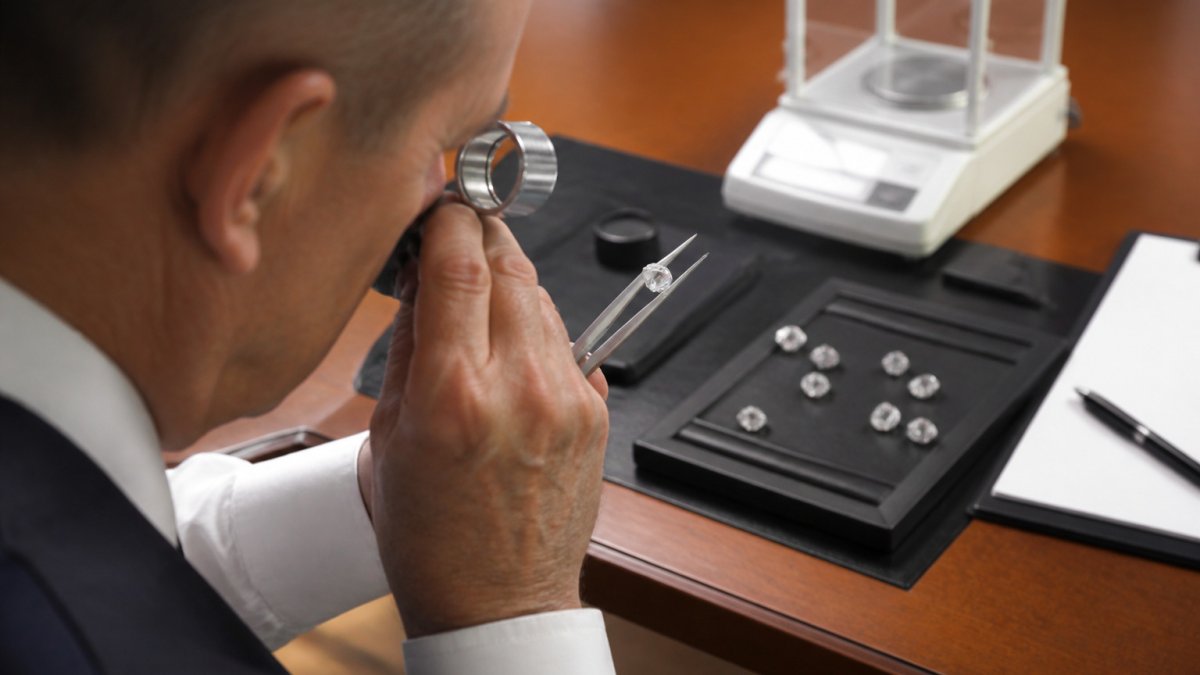
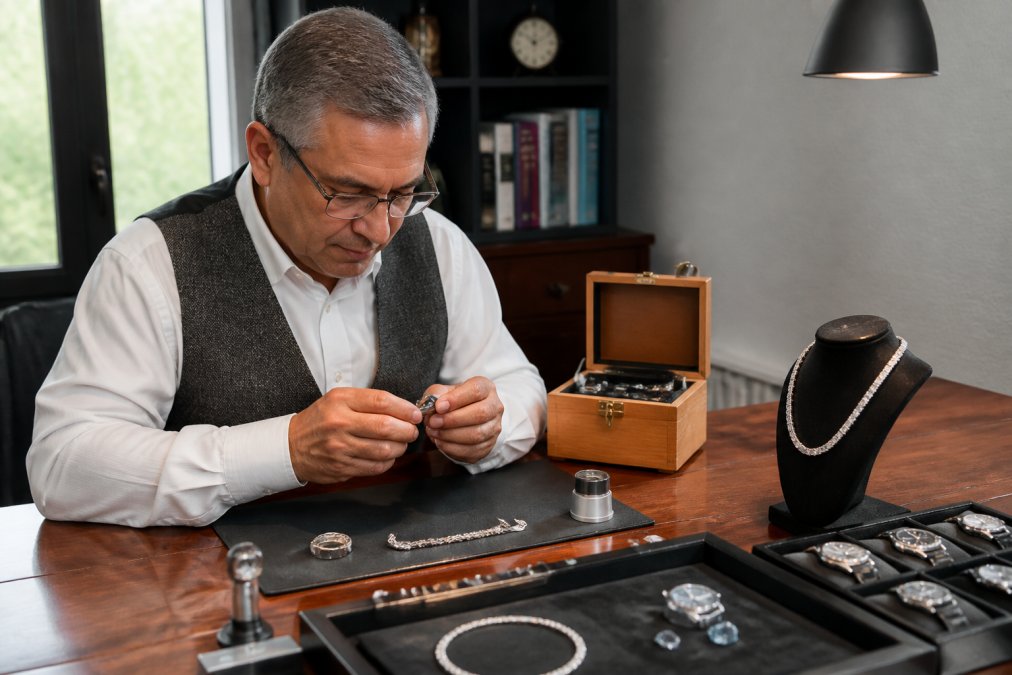
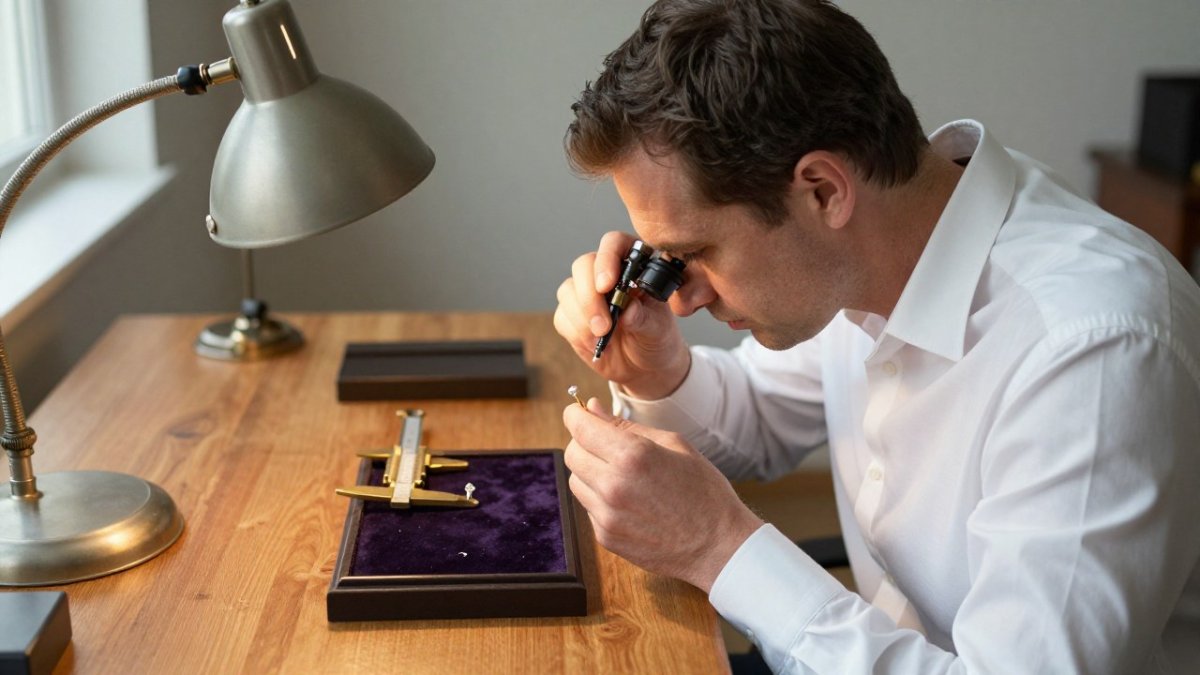
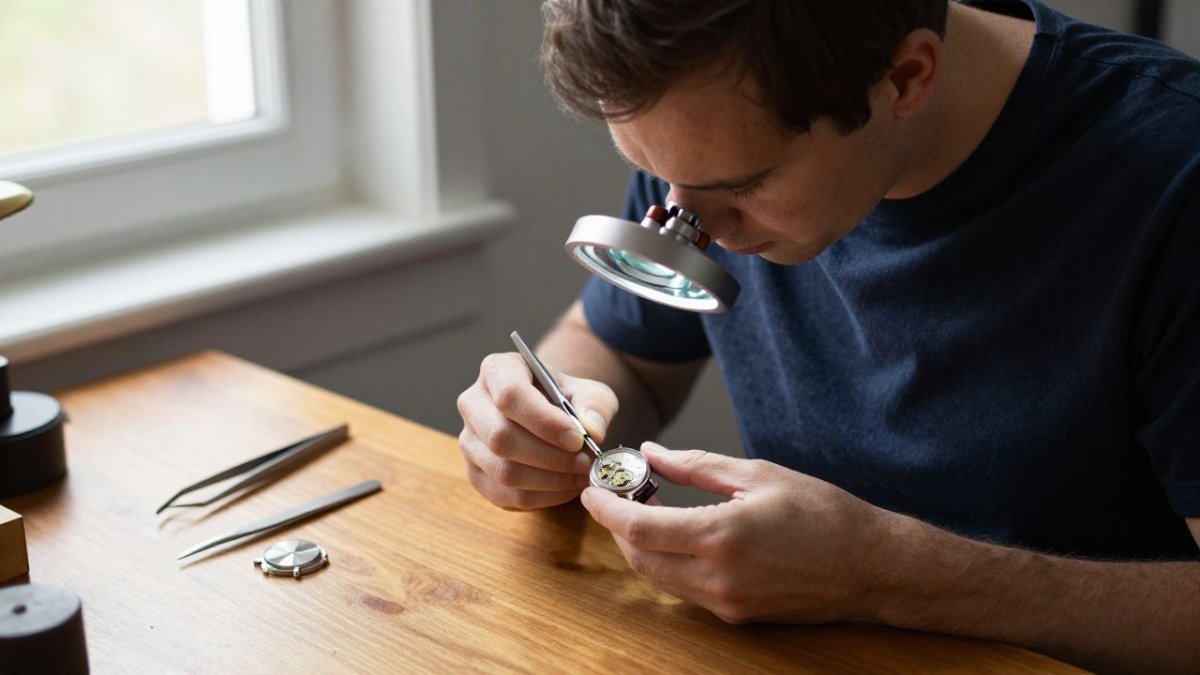
A proper inspection is more than a visual glance. The authenticator typically begins with the identifiers: the reference number and serial number should match the model and production period the watch claims to be, and any mismatch is a reason to look closer. The movement, case, and dial are then checked against what the manufacturer produced for that reference, including font, printing, lume, and finishing. Parts that have been swapped, such as a replacement dial or a non-original bracelet, are common and not always a sign of fraud, but they change the value and must be documented. Where the case can be opened safely, the movement's finishing, engravings, and component markings are examined; the case is then resealed and pressure tested.
What authentication does not guarantee
A report confirms what was examined on the day, not everything about the watch. It says nothing about future condition, and it does not guarantee resale value. Read the scope of the report carefully so you know what was and was not checked.
Verifying the authenticator and resolving disputes
Ask about the authenticator's qualifications, training, and experience with the brands you are considering. Confirm in writing what the report will cover. A clear written scope protects both sides and makes any later dispute easier to resolve.
Watch out: a verbal opinion carries no written record and little recourse, so for any high-value purchase insist on a documented report that sets out its scope and limitations.
A Cost-Versus-Risk Framework: When Paying for Authentication Makes Sense
The decision turns on how much a mistake would cost you relative to the authentication fee. Authentication is most worth paying for when the watch is expensive, the seller is anonymous, the documentation is incomplete, or the watch is a model with a well-known counterfeit problem. Note that authentication services do not guarantee that a watch will hold its value, and a clean report says nothing about condition or future resale price.
In practice, we suggest weighing three things: the purchase price, the level of uncertainty about provenance, and the cost of a wrong decision. If a fake or heavily altered watch would be a serious financial loss, the authentication fee is usually small by comparison. If the watch is inexpensive and the seller provides strong documentation, the fee may not be justified.
Comparing the main service types
Authentication is not a single product. The table below sets out how the common routes differ in cost, scope, documentation, and limitations, so you can match the service to the risk.
| Service type | Typical cost | Scope | Documentation | Main limitation |
|---|---|---|---|---|
| Independent watchmaker or specialist | Low to moderate | Movement, case, dial, serial and reference numbers; may open the case | Written statement or short report | Depth varies with the individual's training and access to reference data |
| Brand service centre | Moderate to high | Full inspection against manufacturer records; may include service | Formal service record or written confirmation | Often requires the watch to be sent away; may not issue a standalone authenticity report |
| Marketplace authentication programme | Usually included in the sale or a flat fee | Physical inspection before release to the buyer | Programme certificate or confirmation | Tied to that marketplace; may not cover watches bought elsewhere |
| Free or informal assessment | Nil | Visual check only | Verbal opinion | No written record, no liability, and limited scope |
A free assessment is a screening step, not a substitute for a documented inspection.
Total ownership costs and logistics
Ask for an all-in estimate before you commit, so you understand the full cost of the service.
Decision guidance by watch value and type
- High-value watches: Arrange a documented inspection before payment.
- Modified watches: Authentication should document what has been changed, because modifications affect value.
Watch out: a clean authentication report does not guarantee that a watch will hold its value, and it says nothing about condition or future resale price. Treat it as one input in the decision, not a warranty.
Watch Appraisal for Insurance: Why the Report Matters
Insurers often ask for a documented valuation for high-value watches. Speak to your insurer about their specific requirements, since they vary between policies.
Pre-Owned Watch Inspection Checklist Before You Pay
Use this checklist before committing to a purchase:
- Reference and serial numbers match the model and era the seller describes
- Original box, papers, and receipt are provided, or their absence is reflected in the price
- Dial, hands, and lume look consistent with the period and model
- Movement is consistent with the reference, with no obvious replacement parts
- Case, bracelet, and clasp show no mismatched finishing or unexplained repairs
- Seller can explain the watch's service history
- An independent authentication has been arranged for any high-value purchase
Booking Your Next Step: Authentication, Appraisal or Both
If you are about to buy a pre-owned watch, or you already own one and need it documented for insurance or estate purposes, the right service depends on the question you need answered. Gemmological Valuations of Australia provides jewellery and watch appraisal services, led by senior appraiser Con Pappas, with more than 50 years of industry experience. You can review the valuation services offered to see how an appraisal fits your situation, or get in touch with our team to discuss your enquiry. For a broader view of how valuations serve formal purposes, our guide on jewellery appraisal explains what those reports are used for.
Frequently Asked Questions
Are watch authentication services worth the cost?
For a watch you are paying a significant sum for, authentication is usually worth it, because the cost is small compared with the amount at risk. For a low-value watch, the fee may exceed what the watch is worth, so the decision depends on the purchase price and how much a mistake would cost you.
Is watch authentication the same as a watch appraisal?
No. An appraisal estimates what the watch is worth, often for insurance or estate purposes, and produces a written valuation report. A watch can be authentic and still have a modest value.
What should I check before sending a watch for authentication?
Gather the original box, papers, warranty card and any receipts, and photograph the dial, case back and reference number. Note any previous service or part replacement, since modified parts can change the result.
Can authentication confirm a watch's value?
Authentication confirms whether a watch is genuine and whether its components are original, but it does not set a market value. Value depends on condition, completeness, provenance and current demand, which is the work of a condition assessment and valuation. If you need a figure for insurance or an estate, a formal appraisal is the more suitable service.